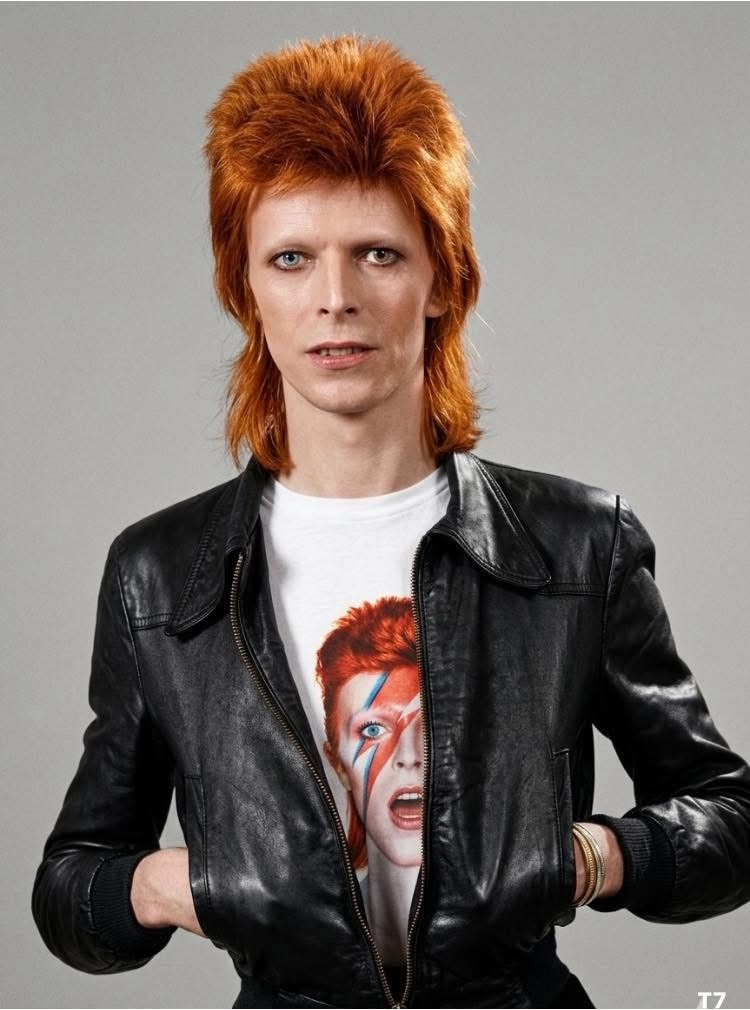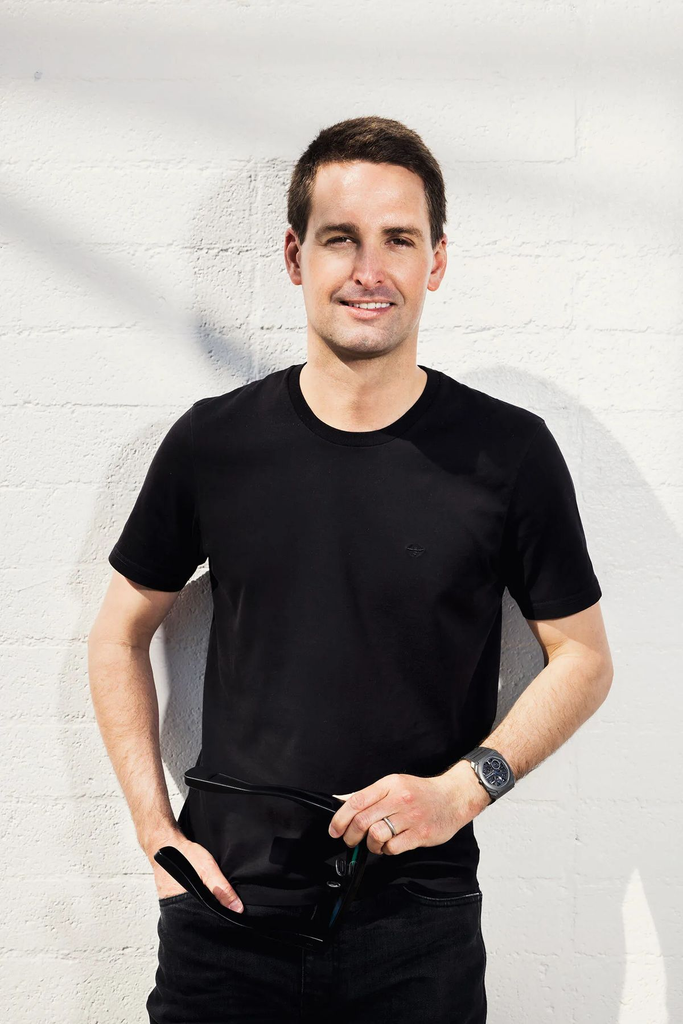
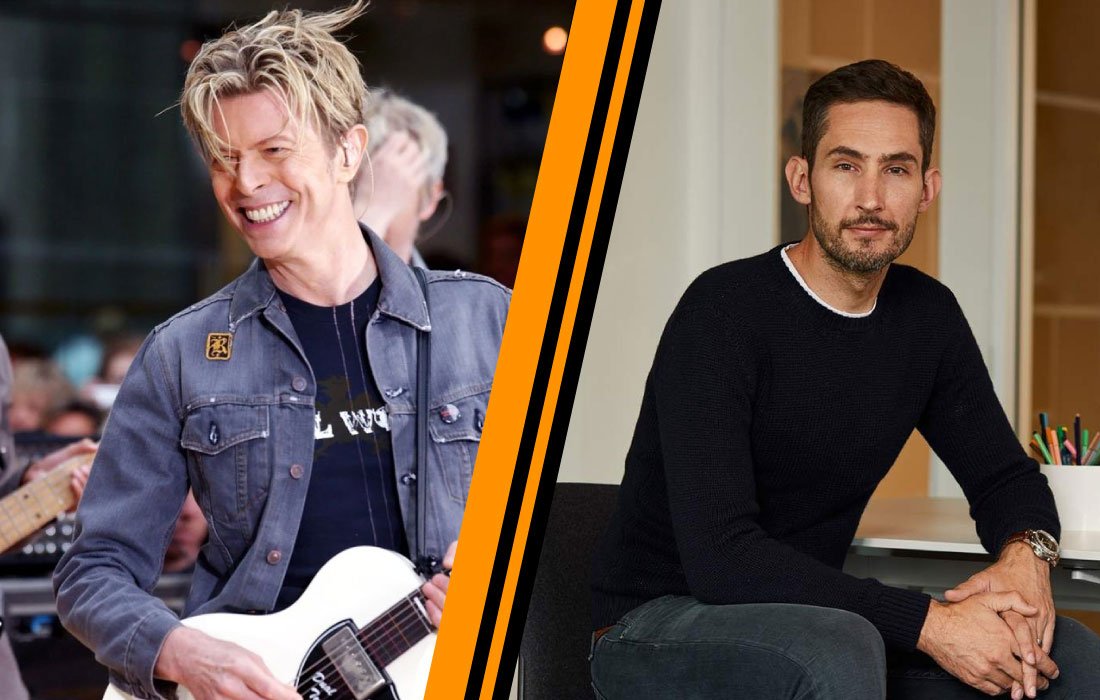
David Bowie and Evan Spiegel belong to completely different generations and industries, but both became influential through a willingness to challenge established ideas. David Bowie transformed popular music with his songwriting, theatrical performances, distinctive personas, fashion and constant reinvention, while Evan Spiegel helped change the way people communicate online through Snapchat and his leadership of Snap Inc. Bowie became a cultural icon whose influence reached music, film, fashion and art. Spiegel built a technology company around visual communication and continues to lead it as CEO. Their stories provide an interesting comparison between artistic innovation and modern technology entrepreneurship.
David Bowie and Evan Spiegel – Quick Bio Table
| Detail | David Bowie | Evan Spiegel |
| Full Name | David Robert Jones | Evan Thomas Spiegel |
| Date of Birth | January 8, 1947 | June 4, 1990 |
| Net Worth | Estimated around $230 million at the time of his death; estate value and catalog interests have continued to evolve | About $2.2 billion, according to Forbes’ September 2026 real-time estimate |
| Age | 69 at the time of his death | 36 |
| Birthplace | Brixton, London, England | Los Angeles, California, United States |
| Nationality | British | American |
| Profession | Singer, songwriter, musician, actor, record producer and artist | Entrepreneur, technology executive and business leader |
| Known For | Groundbreaking music, songwriting, stage personas and artistic reinvention | Co-founding Snapchat and serving as CEO of Snap Inc. |
| Most Famous Persona / Identity | Ziggy Stardust | Technology entrepreneur and Snap co-founder |
| Other Famous Personas | The Thin White Duke, Aladdin Sane and Major Tom | No widely established public stage persona |
| Parents | Margaret Mary “Peggy” Jones and Haywood Stenton Jones | John W. Spiegel and Melissa Ann Thomas |
| Siblings | Half-brother Terry Burns | Sister Carolina Spiegel |
| Height | About 5 ft 10 in (1.78 m), commonly reported | About 5 ft 11 in (1.80 m), estimated |
| Weight | Not reliably documented | Not reliably documented |
| Hair Color | Naturally brown; frequently changed his appearance and hairstyle | Brown/dark brown, commonly reported |
| Eye Color | Blue | Blue, commonly reported |
| Education | Bromley Technical High School; studied art, music and design | Stanford University; B.S. in Engineering–Product Design |
| University | No university degree; pursued creative and artistic training | Stanford University |
| Career Beginning | Early 1960s | 2011, when Snapchat was developed |
| Major Career Breakthrough | “Space Oddity” in 1969 and the rise of Ziggy Stardust in the early 1970s | The creation and rapid growth of Snapchat |
| Company / Main Creative Platform | Music, recording, film, visual art and performance | Snap Inc. / Snapchat |
| Co-Founder | Not applicable | Bobby Murphy |
| Snapchat Founding Period | Not applicable | 2011; Spiegel began building Snapchat with Bobby Murphy while at Stanford. |
| Current / Final Major Role | Legendary recording artist and cultural figure | Co-founder and CEO of Snap Inc. |
| CEO Role | Not applicable | CEO since May 2012 |
| Major Albums / Works | Space Oddity, Hunky Dory, The Rise and Fall of Ziggy Stardust and the Spiders from Mars, Aladdin Sane, Young Americans, Station to Station, Low, “Heroes,” Let’s Dance, Blackstar | Snapchat, Snap Camera, augmented-reality products and Snap’s broader visual communication platform |
| Famous Songs | “Space Oddity,” “Life on Mars?,” “Changes,” “Starman,” “Heroes,” “Fame,” “Let’s Dance,” “Ashes to Ashes,” “China Girl” | Not a musician; known for building Snapchat rather than releasing songs |
| Music Genre / Field | Rock, glam rock, art rock, soul, electronic and experimental music | Technology, social media, visual communication and augmented reality |
| Creative Approach | Experimental, theatrical, unpredictable and constantly evolving | Product-focused, entrepreneurial and technology-driven |
| Acting Career | Yes; appeared in films including The Man Who Fell to Earth and The Prestige | No established professional acting career |
| Artistic Interests | Music, painting, design, fashion, theatre, film and visual art | Product design, technology, digital communication and innovation |
| Marriage | Married Angela Bowie and later Iman | Married Miranda Kerr |
| Spouse | Angela Bowie; Iman | Miranda Kerr |
| Marriage to Iman | 1992 until Bowie’s death in 2016 | Not applicable |
| Marriage to Miranda Kerr | Not applicable | 2017–present |
| Children | Duncan Jones and Alexandria “Lexi” Zahra Jones | Three sons: Hart, Myles and Pierre |
| Family Life | Maintained a relatively private family life, particularly during his later years | Maintains a relatively private family life despite being a high-profile technology executive |
| Career Length | More than five decades | About 15 years in technology and entrepreneurship |
| International Recognition | Global music and cultural icon | International technology entrepreneur |
| Major Cultural Influence | Music, fashion, gender presentation, performance art and popular culture | Social communication, disappearing messages, camera-first interaction and augmented reality |
| Approach to Innovation | Constantly reinvented his sound, appearance and artistic identity | Focused on changing digital communication and developing camera and AR technology |
| Internet / Digital Innovation | Launched BowieNet in 1998, an early artist-created internet service | Built Snapchat into a major global visual communication platform |
| Technology Connection | Bowie explored the relationship between music, art and technology | Technology is the foundation of his career and company |
| Philanthropy / Causes | Supported Tibet House benefit concerts and other charitable causes | Snap and the Spiegel family have supported social, educational and community initiatives |
| Awards / Honors | Multiple Grammy Awards, Grammy Lifetime Achievement Award, BRIT recognition and numerous cultural honors | Recognized primarily through technology and business leadership rather than entertainment awards |
| Grammy Recognition | Won multiple Grammys, including a Lifetime Achievement Grammy in 2006 | Not a Grammy recipient |
| Webby Recognition | Received a Lifetime Achievement Award at the Webby Awards in 2007 | Not primarily associated with the Webby Awards as an individual artist |
| Major Career Achievement | Became one of the most influential and versatile figures in modern music | Helped create and lead one of the world’s best-known social communication platforms |
| Signature Visual Style | Bold costumes, makeup, changing hairstyles and theatrical personas | More understated and business-oriented public image |
| Fashion Influence | Extremely significant; influenced designers, musicians and pop culture | Not primarily known as a fashion figure |
| Public Image | Mysterious, creative, theatrical and constantly changing | Private, entrepreneurial and technology-focused |
| Social Media Presence | Legacy/official channels rather than a conventional personal social-media career | Maintains a relatively private personal profile |
| No conventional personal Instagram account | No widely established public personal Instagram account that should be treated as an official celebrity profile without verification | |
| Major Career Milestone – 1969 | “Space Oddity” became his first major breakthrough | Not applicable |
| Major Career Milestone – 1972 | Ziggy Stardust era propelled Bowie to international superstardom | Not applicable |
| Major Career Milestone – 1975 | “Fame” became Bowie’s first U.S. No. 1 single | Not applicable |
| Major Career Milestone – 1990s | Expanded his work into electronic music, the internet and multimedia projects | Not applicable |
| Major Career Milestone – 1998 | Launched BowieNet, an early artist-created internet service | Not applicable |
| Major Career Milestone – 2013 | Released The Next Day after a decade away from studio albums | Not applicable |
| Major Career Milestone – 2016 | Released Blackstar shortly before his death | Not applicable |
| Major Career Milestone – 2011 | Not applicable | Started building Snapchat with Bobby Murphy |
| Major Career Milestone – 2012 | Not applicable | Became Snap CEO and board member |
| Major Career Milestone – 2015 | Not applicable | Became the world’s youngest billionaire at age 24, according to Forbes |
| Major Career Milestone – 2017 | Not applicable | Snap went public on the New York Stock Exchange |
| Major Career Milestone – 2018 | Not applicable | Completed his Stanford B.S. in Product Design |
| Business Leadership | Led his own artistic direction and career with unusual creative independence | Leads Snap as its co-founder and CEO |
| Product Philosophy | Focused on artistic experimentation and breaking creative expectations | Focused on communication, camera-first interaction, creativity and augmented reality |
| Snapchat Philosophy | Not applicable | Spiegel has described Snapchat as a response to the permanent, public nature of earlier social media and a way to communicate through images and videos |
| Global Reach | Influenced several generations of musicians and artists worldwide | Snapchat has become a global communication service used by hundreds of millions of people |
| Legacy | Enduring influence on rock music, pop culture, fashion and visual art | Influence on social media, visual communication and consumer technology |
| Death | January 10, 2016, New York City | Living |
| Cause of Death | Cancer | Not applicable |
| Final Album | Blackstar | Not applicable |
| Final Public Era | Blackstar and his final years of private creative work | Continuing to lead Snap and develop its technology businesses |
| Overall Significance | One of the defining cultural and musical figures of the 20th and early 21st centuries | One of the prominent younger technology entrepreneurs of the social-media era |
| Field of Influence | Music, art, fashion, film, performance and culture | Technology, social media, communication, cameras and augmented reality |
| Career Legacy | Fearless reinvention became the central feature of his career | Entrepreneurial innovation and long-term leadership became the central features of his career |
| Biggest Difference | Used music and performance to reshape culture | Used technology and product design to reshape digital communication |
| Biggest Similarity | Both challenged established ways of doing things and built careers around innovation | Both challenged established ways of doing things and built careers around innovation |
David Bowie and Evan Spiegel Images