Look back at old photos and the clothes usually tell you how old you were before anything else does. The haircut helps, but shoes are often the giveaway. Chunky trainers from university days. Stiff, shiny lace-ups bought for a first serious job. Comfortable slip-ons that appeared once life got busier and mornings got shorter.
Footwear changes with us. The shoes a man reaches for at 22 rarely match what he wears at 45, and that is how it should be. What stays the same at every stage is the impression shoes make. People notice them, and they often say more about attention to detail than the rest of an outfit.
Your Twenties: Learning What Works
Early adulthood is usually when a man builds his first proper wardrobe. Budgets are tight, opinions are strong, and trends move fast. It is tempting to buy whatever is popular that season and replace it a year later.
A better approach is to treat this decade as a learning period. Try different shapes and materials, and pay attention to which pairs actually get worn. Most men discover that a clean, simple sneaker gets far more use than anything loud or heavily branded.
This is also the time to own one pair of proper dress shoes. Interviews, weddings, and graduations all call for something more formal, and turning up in trainers to those occasions is remembered for the wrong reasons. A plain black leather shoe covers almost all of them.
Your Thirties: Fewer Pairs, Better Pairs
By the thirties, priorities tend to change. Careers are more established, schedules are fuller, and there is less patience for shoes that hurt by lunchtime or fall apart after one winter.
Many men start buying fewer pairs and spending more on each one. The reasoning is simple. A well-made shoe in quality leather or suede lasts longer, looks better as it ages, and can usually be cared for rather than thrown away.
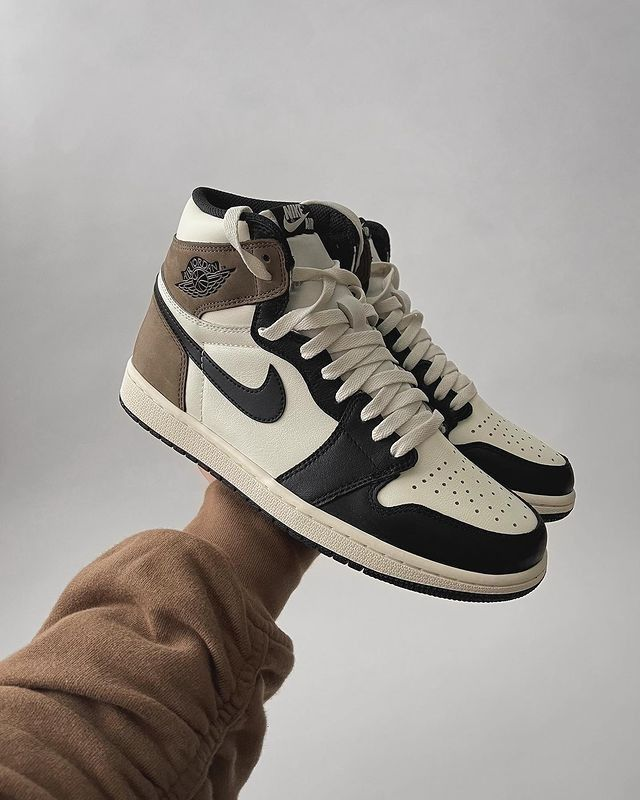
This is often when the smart sneaker becomes a wardrobe staple. Offices have relaxed, and a refined leather or suede sneaker now sits comfortably alongside tailored trousers and knitwear. It works for a day at the office, drinks afterward, and a weekend lunch without looking out of place at any of them.
Color starts to matter more as well. Neutral shades such as black, navy, beige, and white pair easily with most wardrobes. A single lighter pair for warmer months and a darker pair for the rest of the year covers a surprising number of situations.
Your Forties And Fifties: Comfort Without Compromise
Comfort moves higher up the list in midlife, but most men are not willing to trade style for it. The good news is they no longer have to.
Footwear has changed considerably over the past decade. Luxury labels now combine traditional materials like polished leather and soft suede with performance materials more often found in athletic shoes. The result is footwear that looks refined but feels easier to wear through long days of meetings, travel, or time on your feet.
Slip-on styles become especially popular at this stage. No laces means less fuss getting out the door and through airport security. Softer leathers, such as deerskin, mold to the foot over time and feel noticeably gentler than stiffer hides.
Men in this age group also tend to think about their footwear by occasion rather than by trend. One pair for work, one for cocktail events or dinners, and one formal pair for weddings and black-tie evenings make a sensible core. Anything beyond that is a matter of personal taste.
Later Years: Quality You Can Rely On
For older men, practicality and fit take center stage. Shoes need to provide stable support, be easy to put on, and stay comfortable through a full day.
None of that means giving up on looking sharp. A well-chosen leather or suede shoe in a classic color can look just as polished at 70 as it did at 40. Many men at this stage find they have finally worked out exactly what they like and simply replace favorite styles as they wear out.
This is also when the benefits of buying quality become obvious. A man who invested in good shoes earlier in life often has pairs that have lasted for decades with regular care.
The Rise Of The Luxury Sneaker
Across every age group, one shift stands out. The luxury sneaker has moved from weekend wear into almost every part of a man’s wardrobe.
High-end fashion houses that once focused on suits and formal footwear now offer refined sneakers made with the same materials and finishing as their dress shoes. A modern Zegna shoe is a good example of that change, with sneakers made in polished leather, suede, and performance materials and designed to move between casual and dressier settings.
The appeal is easy to understand. One well-made pair can serve as a work shoe, a travel shoe, and an evening shoe, which suits the way many men now live and dress.
Caring For Shoes At Any Age
Whatever someone wears, a few habits make shoes last longer.
Rotate pairs so each one has time to dry out between wears.
Use cedar shoe trees to absorb moisture and help leather keep its shape.
Brush suede regularly and protect it before wearing it in wet weather.
Clean and condition leather to stop it drying and cracking.
Store shoes out of direct sunlight, especially lighter colors that can fade.
These small steps take a few minutes a week and can add years to a good pair.
Questions Worth Asking Before Buying
Will these shoes work with clothes already in the wardrobe?
Are they comfortable enough to wear for a full day?
Do they suit the occasions they will actually be worn for?
Will they still look good in five years?
Style evolves with age, and footwear evolves with it. The men who look best at every stage of life are rarely the ones chasing every new trend. They are the ones who know what suits them, buy well, and take care of what they own.