
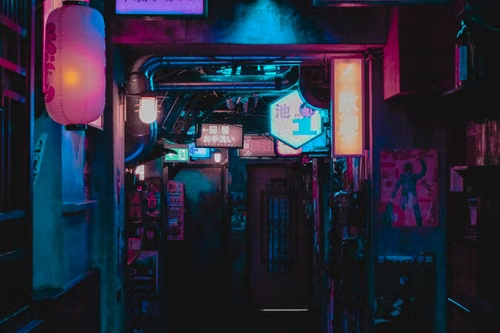
Cyberpunk as a genre has always been about the present dressed up as the future. The neon-lit dystopias, the corporate power structures, the technology that liberates and controls simultaneously. These are not imaginative projections of what might come but exaggerated reflections of forces already at work in the world. The fashion that emerged from cyberpunk literature, film, and gaming carries the same dual quality. It looks like science fiction but it draws from very real sources and speaks to very current anxieties.
In 2026, cyberpunk fashion is more culturally visible than it has been at any point since the genre’s peak in the 1980s and 1990s. Gaming, anime, streetwear, and independent fashion brands have all contributed to a revival that is not nostalgia so much as recognition. The world cyberpunk imagined looks increasingly familiar.
_______________________________________________
The Visual Language of Cyberpunk Fashion
Cyberpunk has a distinctive visual vocabulary that is immediately recognisable even to people who have never read William Gibson or watched Blade Runner. Understanding its constituent elements helps explain both where it comes from and why it continues to resonate.
The Colour Palette
Black is the foundation of cyberpunk dressing. Not the soft, fashion-forward black of minimalist aesthetics but the hard, functional black of industrial and tactical clothing. Against this base, neon accents create the visual tension that defines the aesthetic. Electric blue, acid green, hot pink, and ultraviolet purple appear as highlights on dark backgrounds, recreating the visual experience of illuminated signage against night sky that is central to cyberpunk’s visual imagination.
Metallics play a supporting role throughout. Silver, chrome, and holographic materials introduce a technological quality that distinguishes cyberpunk from purely gothic or industrial aesthetics with which it shares some visual territory.
Silhouette and Structure
Cyberpunk silhouettes balance two competing impulses. The first is functionality. Tactical and utility clothing, multiple pockets, adjustable closures, and layering that serves a practical purpose rather than a purely decorative one. The second is drama. Structured shoulders, asymmetric cuts, elongated proportions, and exaggerated details that give the clothing a visual weight that plain functional wear lacks.
This combination of the practical and the theatrical is central to cyberpunk fashion. The clothes look like they could be worn by someone navigating a dangerous urban environment and like they could stop traffic on a runway simultaneously.
Material and Texture
The material palette of cyberpunk fashion reflects its preoccupation with technology and its complicated relationship with it. Synthetic materials feature heavily. PVC, faux leather, technical fabrics, mesh, and reflective materials all appear consistently. These choices are partly aesthetic and partly conceptual. Synthetic materials suggest production, manufacturing, and the industrial processes that cyberpunk as a genre interrogates.
Distressed and worn textures appear alongside clean technical finishes. The combination suggests a world where high technology exists alongside poverty and decay rather than replacing it, which is precisely the world most cyberpunk narratives describe.
Where Cyberpunk Fashion Comes From
The cyberpunk aesthetic in fashion draws from several distinct sources that combined into something recognisable as a genre-specific style over the course of several decades.
Literary and Cinematic Origins
The visual imagination of cyberpunk fashion was shaped most significantly by film. Ridley Scott’s Blade Runner in 1982 established many of the core aesthetic reference points that still define the genre today. The film’s costume design drew from film noir, Japanese street fashion, and industrial workwear to create a future that felt simultaneously unfamiliar and deeply rooted in the present. The influence of that visual world on subsequent fashion has been profound and ongoing.
The Matrix trilogy, Ghost in the Shell, and more recently the Cyberpunk 2077 game have each contributed their own interpretations of the aesthetic and introduced it to new generations of audiences and potential adopters.
Japanese Street Fashion
Japanese street fashion movements, particularly those that emerged from Harajuku in the 1990s and 2000s, developed parallel but related aesthetics that intersected significantly with cyberpunk. Techwear, a functional fashion movement built around technical outdoor clothing repurposed for urban environments, shares extensive visual and conceptual territory with cyberpunk and has been a significant vector for the aesthetic’s influence on contemporary streetwear.
Cyberpunk Fashion in Contemporary Streetwear
The current mainstream visibility of cyberpunk aesthetics owes much to streetwear’s appetite for subculture references and its ability to absorb niche visual languages into broadly accessible clothing. Elements that originated in cyberpunk literature and film now appear regularly in collections from both established streetwear brands and independent designers.
Graphic Design in Cyberpunk Clothing
The graphic language of cyberpunk translates particularly well to printed clothing. Circuit board patterns, glitch art aesthetics, Japanese typography, dystopian imagery, and abstract technological motifs all produce strong graphic t-shirt and hoodie designs that resonate with audiences who identify with the aesthetic even without deep knowledge of its literary origins. This accessibility makes cyberpunk-influenced graphic design one of the more commercially productive aesthetic directions for independent clothing brands.
The Custom Clothing Opportunity
The specificity of cyberpunk as an aesthetic is both its limitation and its strength as a basis for a clothing brand. The audience is defined and engaged. People who identify with cyberpunk culture are active in communities, have strong aesthetic opinions, and are willing to pay for clothing that genuinely represents the aesthetic rather than offering a watered-down mainstream interpretation of it.
Independent brands exploring cyberpunk fashion as a basis for custom clothing will find that Tapstitch provides the production quality and print capabilities needed to translate complex graphic work and technical aesthetic details into finished garments that meet the expectations of an audience with high standards for authenticity and execution.
Building a Wardrobe Around Cyberpunk Aesthetics
For individuals rather than brands, building a wardrobe that expresses cyberpunk influences without becoming a costume requires understanding how to apply the aesthetic selectively and how to balance its more dramatic elements with wearability.
Starting With the Foundation
A cyberpunk-influenced wardrobe starts with a strong base of dark, functional clothing. Black technical trousers, dark denim, and simple dark tops provide the canvas onto which more statement pieces can be layered. This foundation keeps the overall effect grounded and wearable rather than theatrical.
Statement Pieces and Accent Items
The more distinctive cyberpunk elements, reflective outerwear, neon accents, structured technical pieces, work best as focal points within an otherwise restrained outfit rather than as the basis of an entire look. One strong statement piece with a simple supporting wardrobe produces more impact and more wearability than an attempt to incorporate every element of the aesthetic simultaneously.
Why Cyberpunk Fashion Keeps Returning
Fashion revivals are rarely purely aesthetic. They tend to happen when the cultural conditions that produced an aesthetic in the first place recur or intensify. Cyberpunk emerged from anxieties about corporate power, technological surveillance, economic inequality, and the erosion of individual agency in the face of overwhelming systemic forces.
Those anxieties have not diminished. In many respects they have intensified. The world of 2026 is more surveilled, more digitally mediated, and more shaped by large technology corporations than any cyberpunk writer of the 1980s imagined. The aesthetic returns because the concerns it expressed remain current.
Fashion that speaks to something real about the moment it is worn in tends to persist. Cyberpunk fashion has been doing exactly that for forty years. There is no particular reason to expect it to stop.