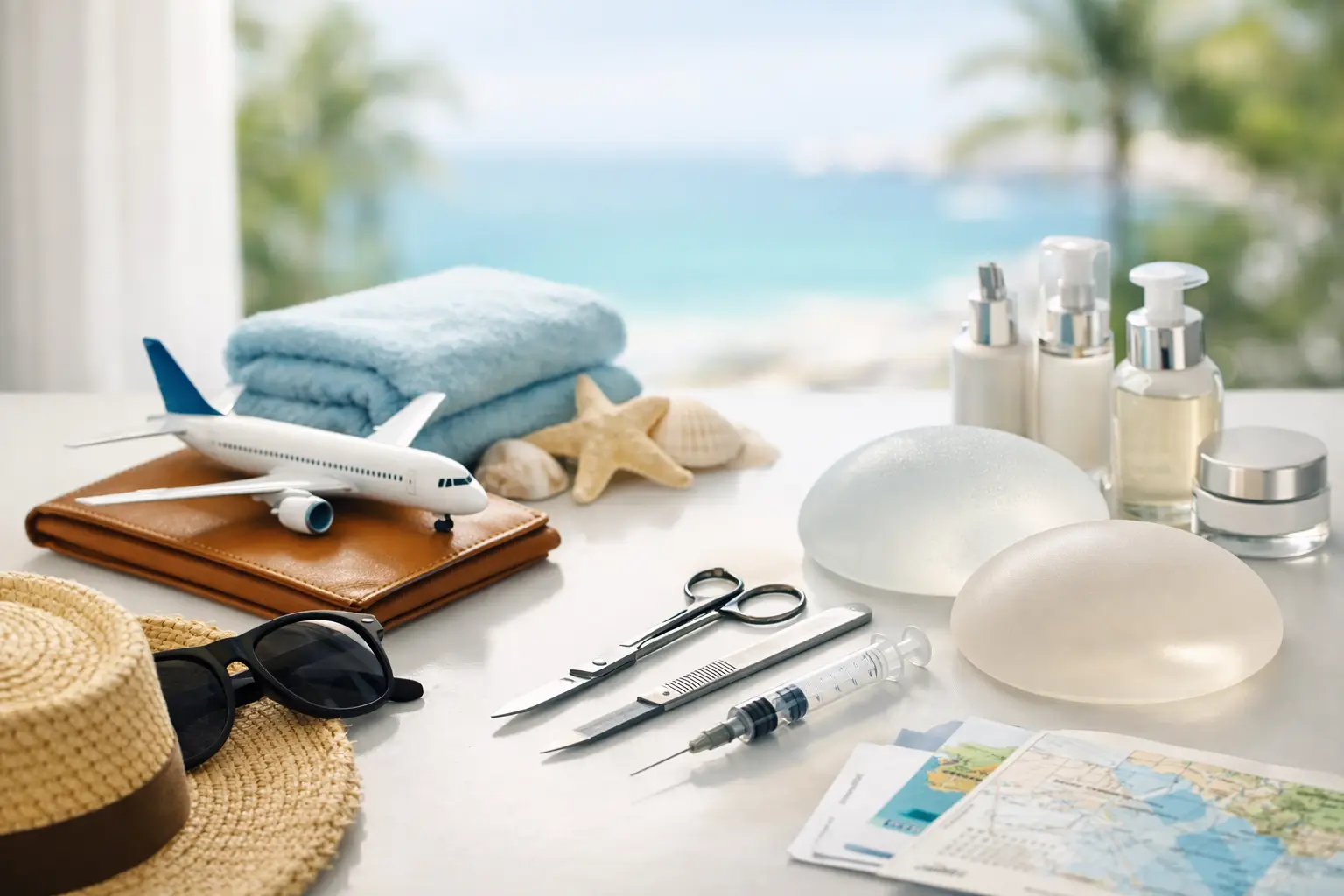
Planning cosmetic surgery abroad is about more than choosing a surgeon. You also have to plan the journey there, your stay, and, most importantly, the journey home while your body is still healing. Many UK patients underestimate this part. They book the cheapest flight, plan a short stay and expect to be back at work within days. Then they face swollen legs on a long flight, painful airport queues and the worry of blood clots. Poor travel planning can turn a successful operation into a stressful or even dangerous experience.
With the right preparation, your trip can be safe, comfortable and stress-free. The key is choosing a destination with sensible travel times, allowing enough recovery days and knowing how to protect yourself on the flight home. This guide covers everything UK patients need to know, whether they are flying to Turkey or considering a shorter trip to Poland.
Why Travel Planning Matters After Surgery
After an operation, your body is more vulnerable. Swelling, reduced movement and changes in blood flow all raise the risk of deep vein thrombosis (DVT), a blood clot that usually forms in the leg. Long periods of sitting, such as on a flight, add to that risk. Travel also means stress, carrying bags and limited access to medical help, all of which matter when you are healing.
Flight Times: Turkey vs Poland
One of the biggest differences between destinations is how long you will be in the air:
| Destination | Typical flight time from UK | Typical return fare |
| Poland (e.g. Wrocław) | About 2 hours | Often from around £50 |
| Turkey (e.g. Istanbul, Antalya) | About 4–6 hours | Direct routes often £250+ |
A shorter flight means less time sitting still, less swelling and lower costs if you need to return for a check-up. It also makes it cheaper for a friend or relative to travel with you. If you are comparing plastic surgery Turkey packages with clinics in Poland, factor these travel differences into your decision.
How Long Should You Stay Abroad?
Your surgeon should tell you exactly how long to stay. As a general guide:
- Liposuction – often around 5–7 days
- Breast augmentation or uplift – often around 5–7 days
- Rhinoplasty – often around 7 days, until the splint is checked or removed
- Tummy tuck – often 7–10 days or more
- Facelift – often 7–10 days
Never cut your stay short to save money. Packages that send you home a day or two after major surgery are a warning sign, especially for cosmetic surgery Turkey deals with long flights home.
Before You Travel: Preparation Checklist
- Speak to your GP about your plans and any health conditions
- Get travel insurance that covers cosmetic surgery complications, as many standard policies do not
- Book flexible flights in case your surgeon wants you to stay longer
- Bring a companion to help with bags, transfers and daily tasks
- Pack loose, comfortable clothes that are easy to put on
- Bring copies of documents – passport, insurance, medical history and medication list
- Plan time off work – most people need at least 1–2 weeks, more for bigger procedures
Tips for a Safe Flight Home
- Wear compression stockings as advised by your surgeon
- Drink plenty of water and avoid alcohol
- Move regularly – walk the aisle and flex your ankles every 30 minutes
- Choose an aisle seat so you can get up easily
- Request assistance at the airport if you are in pain or need help with bags
- Carry your medication and surgical notes in your hand luggage
- Follow any blood-thinning advice from your surgeon exactly
Warning Signs to Watch For After Flying
Seek urgent medical help if you notice:
- Pain, heat or swelling in one calf
- Sudden shortness of breath or chest pain
- High temperature or chills
- Spreading redness or discharge from a wound
- Severe pain that painkillers do not control
These can be signs of a blood clot or infection and should never be ignored.
Recovering Comfortably at Home
Once you land, recovery continues. Make it easier by:
- Preparing your home in advance with essentials within reach
- Arranging help with childcare, cooking and shopping
- Wearing your compression garments as instructed
- Avoiding heavy lifting and intense exercise until cleared
- Attending every follow-up appointment, in person or online
Some Polish clinics that focus on UK patients offer aftercare appointments in the UK, which makes this stage much simpler.
Why Many UK Patients Choose Poland for Easier Travel
For many UK patients, Poland makes the travel side of surgery simpler. Flights from many UK airports take about 2 hours, and return fares often start from around £50. Clinics follow EU regulation, surgeons are licensed, and some clinics have English-speaking surgical teams who work with British patients every week.
Plan the Journey, Protect the Result
The journey is part of your treatment, not just a holiday detail. Long flights, short stays and poor planning can put your recovery at risk. Turkey can work for well-prepared patients, but the longer journey adds strain at a delicate time. Poland’s short, low-cost flights make both the trip and any return visits easier.
Plan your travel as carefully as you choose your surgeon. A safe journey home is the first step to enjoying your new results.