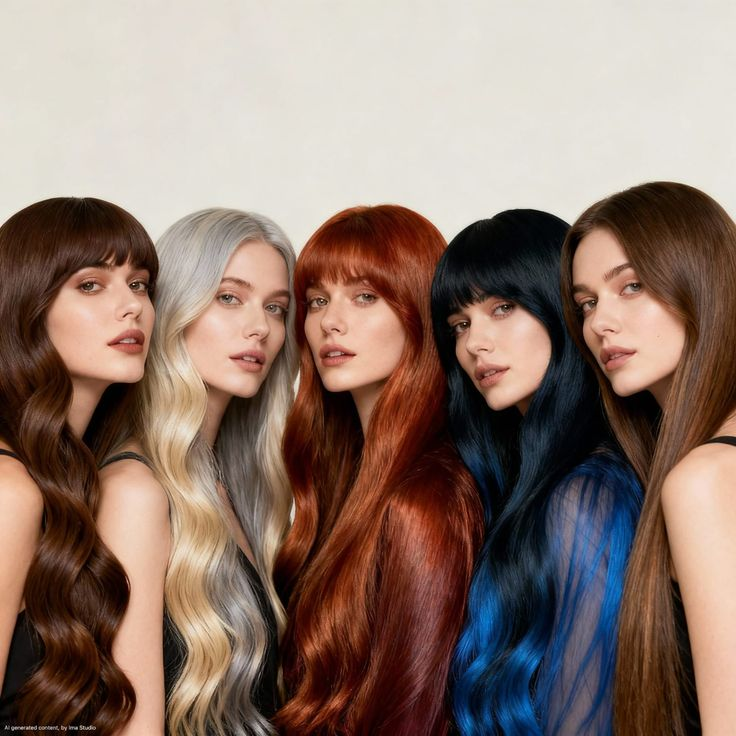
Beautiful hair colour is about more than choosing a shade that complements your complexion. The right technique creates depth, movement and subtle contrast, allowing different tones to blend naturally rather than appearing flat or overly uniform. The Best hair colouring approach depends on your natural hair colour, texture, previous chemical treatments and preferred level of maintenance. From delicate caramel highlights to blended blonde ribbons, professional colouring techniques can transform the appearance of your hair while preserving a finish that suits your personal style.
In Singapore, maintaining dimensional colour comes with additional challenges. Humidity can encourage frizz, frequent washing may accelerate fading, and strong sunlight can affect the appearance of coloured hair. These factors make technique selection and aftercare equally important. Understanding how balayage, highlights, AirTouch and other colouring methods work will help you discuss realistic options with your stylist and choose a look that remains attractive and manageable between salon visits.
1. Balayage: Natural-Looking Colour With Soft Transitions
Balayage is a hand-painted colouring technique that creates gradual lightness through selected sections of the hair. Rather than producing a uniform pattern from root to tip, the colourist places lighter tones strategically to complement the haircut and natural movement of the hair. The result can resemble the subtle variation seen in sun-kissed hair.
This technique is especially suitable for people who want dimension without committing to a solid, all-over colour. Depending on the starting shade, balayage can introduce caramel, honey, beige, ash or lighter blonde tones.
Why consider balayage?
- Blended regrowth: Keeping the root area closer to its natural shade can make new growth less noticeable.
- Customised brightness: The stylist can concentrate lighter pieces around the face, through the mid-lengths or towards the ends.
- Flexible styling: The variation between tones can complement straight hairstyles, soft waves and layered cuts.
Balayage can be particularly practical for busy lifestyles because it often requires less frequent root maintenance than a full-head blonde application. However, lighter results on naturally dark hair may require bleaching, and the condition of the hair should always guide the process.
2. Traditional Highlights: Defined Brightness and Contrast
Traditional highlights use foils to separate selected sections of hair during the colouring or lightening process. This allows the colourist to control the placement and intensity of the lighter pieces, creating anything from delicate brightness to a more noticeable contrast.
Fine highlights can be ideal for people who want their hair to look naturally illuminated. Larger sections create a bolder effect, while face-framing highlights can brighten the overall appearance without colouring every part of the head.
Highlights are worth considering if you want to refresh a brunette base, introduce blonde tones or create greater visual depth in straight hair. The result depends on the thickness of the sections, the shade selected and how the highlights are distributed.
For Singapore’s humid conditions, discuss a placement that works with your everyday styling routine. If you usually wear your hair straight, fine highlights can create subtle definition. If you prefer waves, strategically positioned lighter sections can make the shape look more textured.
Remember that highlights close to the roots may become more obvious as your hair grows. A blended root colour or softer placement can help reduce the contrast between appointments.
3. AirTouch: A Seamless Blend From Roots to Ends
AirTouch uses a hairdryer to separate shorter or finer strands from a section before the remaining hair is coloured or lightened. This allows the stylist to create a soft transition between darker roots and lighter lengths, avoiding an overly solid appearance.
The technique is particularly appealing to people who want a refined blonde finish or a gradual shift between their natural hair colour and lighter shades. Depending on the desired result, the colourist may work towards beige blonde, ash blonde or a softer, blended brunette look.
What makes AirTouch distinctive?
- Diffused transitions: The separation of selected strands helps create a gradual blend rather than a sharp line.
- Personalised placement: Brightness can be adjusted to complement the haircut, face shape and natural base.
- A softer grow-out: The blended root area can make regrowth less conspicuous, although maintenance is still necessary.
AirTouch is a technical process that can take several hours, particularly when working with long or dense hair. It should not be assumed to be damage-free simply because airflow is used during sectioning. The lightening process itself can still affect hair strength, so a consultation and assessment are essential.
4. Foilayage: Brighter Blonde With a Soft Root
Foilayage combines the painted placement of balayage with the controlled processing of foil techniques. It is a useful option for people who want a brighter blonde result while retaining a gradual transition near the roots. Depending on the starting colour, the technique can create beige-blonde ribbons, honey tones or more pronounced lightness through the lengths.
The key advantage is the balance between brightness and blending. Traditional balayage can produce a subtle, sun-kissed effect, whereas foilayage can help achieve a lighter result when additional lift is needed. However, the outcome depends on your natural pigment, previous colouring and the condition of your hair.
Consider these points before choosing foilayage:
- Assess your starting shade: Naturally dark hair may need more than one session to reach a light blonde safely.
- Discuss toning: Lightened hair can reveal warm yellow or orange undertones, so a suitable toner may be needed to achieve your preferred finish.
- Maintenance plan: The roots may grow out softly, but lighter lengths can still need conditioning, toning and occasional colour refreshes.
This technique is worth discussing with a colourist if you want a noticeable transformation without a sharply defined line between your natural roots and coloured hair.
5. Non-Bleach Colour: Subtle Dimension Without Extensive Lightening
Not everyone wants blonde highlights or a dramatic colour change. Non-bleach colouring can add richness and tonal variation to the hair while keeping the result closer to its natural depth. Chocolate brown, mocha, chestnut and selected reddish-brown shades can give dark hair a more reflective appearance.
This option may suit professionals who prefer understated colour, first-time clients who want a modest change, or anyone trying to keep their routine manageable. It can also be useful when the priority is refreshing faded colour rather than achieving a much lighter shade.
There are, however, realistic limitations. Non-bleach colour generally cannot transform naturally dark hair into a pale blonde, and applying dye over previously coloured hair may produce uneven results. Permanent colour can also affect hair condition, even without bleach.
For a natural finish, ask your stylist to consider:
- Your natural undertones: Warm chocolate and chestnut shades can enhance richness, while cooler browns may create a more muted appearance.
- Your colour history: Existing dye can influence how a new formula develops, making an assessment important before application.
- Your preferred upkeep: A shade close to your natural base may make regrowth less obvious and simplify maintenance.
For people who want something more playful, earloop and peek-a-boo colouring introduces brighter tones beneath the top layers or around selected sections. These placements can incorporate creative or pastel shades without making the entire hairstyle vibrant.
How to Choose the Right Technique for Your Hair
The most suitable colouring method depends on your current hair condition, desired finish and how much time you can dedicate to maintenance. A photograph can communicate your preferences, but it cannot tell a colourist how your hair will respond to lightening.
Use the following comparison to narrow down your options.
| Technique | Best suited to | Maintenance considerations |
| Balayage | Soft, sun-kissed dimension | Blended roots may reduce frequent touch-ups |
| Traditional highlights | Defined brightness and contrast | Regrowth depends on how close highlights sit to the scalp |
| AirTouch | Seamless transitions between shades | Can involve a lengthy appointment |
| Foilayage | Brighter blonde with a softer root | Toning and conditioning may be required |
| Non-bleach colour | Rich brunette shades and subtle tonal changes | Refreshes depend on fading and the chosen formula |
Before committing to a service, discuss your previous chemical treatments, daily styling habits and expectations. If your hair has uneven bands of colour or previously bleached sections, colour correction may need to come before a new dimensional technique.
Blonde and Pastel Hair Salon offers balayage, AirTouch, foilayage, traditional highlights, earloop and peek-a-boo colour, as well as blonde and pastel transformations. Its website also describes a consultation process involving hair and scalp assessment, customised colour formulation, toning and aftercare guidance. These services are relevant for clients who want a personalised result rather than a one-size-fits-all colour application.
Hair Care Tips for Singapore’s Humid Climate
Humidity can make freshly coloured hair harder to manage, particularly when the hair is naturally prone to frizz or has become porous through bleaching. Frequent washing, heat styling and exposure to sunlight can also affect shine and colour vibrancy.
A practical routine should focus on keeping the hair manageable without weighing it down.
- Choose a suitable shampoo: Use a colour-safe formula and wash as often as your scalp requires. Avoid unnecessarily frequent washing, but do not leave sweat and excess oil on the scalp simply to preserve colour.
- Condition the lengths: Apply conditioner to the mid-lengths and ends, where dryness and tangling may be more noticeable after lightening.
- Use lightweight anti-frizz products: A small amount of leave-in conditioner or serum can help control flyaways. Fine hair may need a lighter formula than thick or coarse hair.
- Protect hair before styling: Apply heat protectant before blow-drying or using hot tools, and avoid excessive temperatures that can worsen dryness.
- Maintain your chosen tone: Purple or blue shampoo may help manage unwanted yellow or orange tones when appropriate, but excessive use can leave the hair feeling dry or affect the desired colour.
- Consider restorative treatments: Professional conditioning and bond-building treatments may help improve the feel, strength and manageability of chemically treated hair. Your stylist can recommend suitable options according to your hair’s condition.
Sun exposure also deserves attention. Wearing a hat outdoors and using appropriate UV-protective hair products may help reduce environmental stress on coloured hair. If you swim regularly, rinse your hair after exposure to pool water or seawater and follow with suitable conditioning.
Blonde and Pastel Hair Salon describes the use of K18 and Olaplex bond-building products as part of its hair-care approach, alongside assessment and protective treatments. Such treatments can support hair care during chemical services, although they cannot guarantee that bleaching will cause no damage.
Common Mistakes to Avoid Before Colouring
Even the right technique can produce disappointing results if the hair’s condition and colour history are overlooked. A thorough consultation helps establish what is achievable and how to approach the transformation responsibly.
- Expecting an identical result to a reference photograph: The model may have a different natural base, previous colour history or hair texture. Ask your stylist to explain what is realistic for your hair.
- Overlapping bleach on previously lightened sections: Repeated processing can weaken the hair and increase breakage. Careful application and assessment are essential.
- Ignoring the maintenance commitment: Very light blonde and pastel shades may need more attention than subtle brunette dimension, particularly when toning or refreshing faded colour.
- Assuming protective treatments eliminate damage: Bond-building products may support hair integrity, but the strength of your hair and the lightening process remain important factors.
- Withholding details about previous treatments: Box dyes, henna, bleaching, rebonding and other chemical services can affect the outcome. Share your hair history so the stylist can plan accordingly.
Sometimes the best approach is to work towards your preferred colour over several appointments. A gradual transformation can be more appropriate than attempting to achieve a dramatic result in one sitting.
Final Thoughts
Natural-looking dimension comes from combining the right colouring technique with a realistic understanding of your hair’s needs. Balayage, traditional highlights, AirTouch, foilayage and non-bleach colour offer different ways to introduce depth, brightness or richness. The best choice should complement your natural shade, preferred style and willingness to maintain the result. In Singapore, a considered aftercare routine is just as important as the initial colour application. Gentle cleansing, appropriate conditioning, heat protection and occasional professional maintenance can help preserve shine and manage frizz. Before committing to a significant change, choose a stylist who assesses your hair condition, discusses your colour history and explains the likely outcome clearly.
For a personalised approach to hair colouring, Blonde and Pastel Hair Salon offers services ranging from blended highlights and balayage to blonde, pastel and creative colour transformations, alongside treatments designed to support hair care. Explore the available services and consultation options at blondeandpastelhairsalon.sg to plan a colour that suits your preferences and lifestyle. The aim is to achieve a finish that looks naturally dimensional, feels manageable and continues to complement your style as your hair grows.
Frequently Asked Questions
1. Which hair colouring technique looks the most natural?
Balayage is a popular choice because its hand-painted placement can create soft, sun-kissed transitions. AirTouch and fine highlights can also produce natural-looking dimension when customised to your base colour. The best option depends on your preferred contrast, hair condition and maintenance expectations.
2. Can balayage work on naturally dark Asian hair?
Yes, balayage can introduce caramel, mocha, beige or blonde tones into naturally dark hair. Lighter shades may require bleaching because dark natural pigment cannot always be lifted sufficiently with ordinary hair dye. Your stylist should assess your hair and explain whether the desired result is achievable in one appointment or requires several sessions.
3. How long does dimensional hair colour last in Singapore?
The result depends on the technique, chosen shade, washing routine and exposure to sunlight. Blended highlights may remain visible as the hair grows, although toners and certain colour shades can fade sooner. Regular conditioning, suitable colour-care products and occasional professional maintenance help keep the finish looking balanced.
4. Can I achieve dimensional colour without using bleach?
Yes, non-bleach colour can add richness and subtle tonal variation, especially with chocolate, chestnut and reddish-brown shades. However, it generally cannot produce very light blonde results on naturally dark hair. A consultation can help you decide whether non-bleach colour meets your expectations or whether a lightening technique is necessary.
5. How can I prevent frizz after colouring my hair?
Use a conditioner and leave-in product suited to your hair texture, and apply heat protectant before styling. Avoid excessive heat and harsh cleansing routines that may worsen dryness, particularly on bleached lengths. Regular trims and suitable professional treatments can also help maintain smoothness and make coloured hair easier to manage in humid weather.