
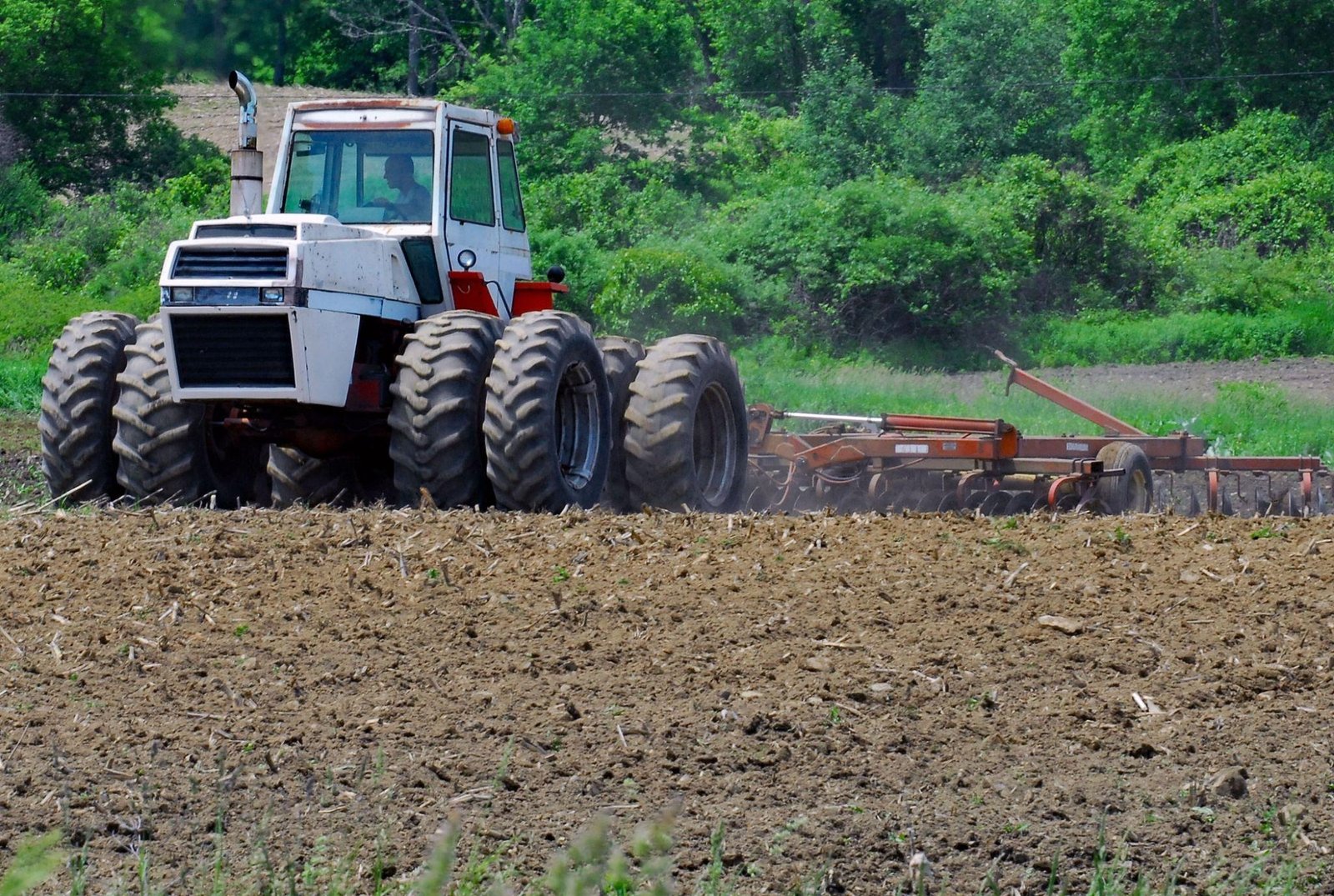
A farm tractor is one of the most useful machines on a working farm, but buying one involves more than choosing a familiar brand or an impressive horsepower figure. From preparing fields to transporting supplies, the tasks change throughout the year. A suitable tractor should handle those changes without creating unnecessary costs, delays, or maintenance problems.
For anyone exploring equipment from a farm tractor manufacturer in China, a good starting point is to understand what the farm actually needs. The right decision depends on field conditions, existing attachments, the operator’s daily routine, and the amount of work that must be finished during short seasonal windows. Looking at these practical details makes comparing different tractors much easier.
Understand Your Farm’s Daily Work
Before looking at tractor models, list the jobs that take place on the farm during a normal week and during the busiest months. Some properties require regular mowing, feeding, or hauling. Others need a machine that spends long days pulling cultivation equipment or helping with planting and harvesting operations. These activities do not all require the same type of tractor.
It also helps to separate essential tasks from occasional ones. If an attachment is used only once or twice a year, it may not make sense to choose an oversized tractor solely for that job. However, a task that must be completed within a few dry days deserves serious attention. Your most time-sensitive work should have a strong influence on the final choice.
Choose a Size That Suits the Working Area
A compact tractor can be useful in orchards, greenhouses, small plots, and spaces with narrow access. Its manageable size may make turning and moving between buildings easier. Larger tractors are generally better suited to wide fields and demanding pulling work, where greater power and compatible heavy implements may be necessary.
Farm acreage is only part of the picture. Think about the width of gateways, the distance between fields, and the space available for turning with an attachment connected. A tractor that looks efficient in an open demonstration area may feel awkward on a farm divided by fences, slopes, or irrigation channels. Taking measurements before ordering can prevent an expensive mismatch.
Plan Around the Farming Calendar
A single tractor may be expected to perform very different jobs as the seasons change. Instead of judging a machine by its performance in only one task, consider how it will contribute across the year. The exact schedule depends on local crops and climate, but a simple planning list might include:
- Before planting: Preparing soil, moving fertilizer, and pulling suitable cultivation tools.
- During planting: Operating compatible seeders or carrying materials to the field.
- During crop growth: Mowing access areas, maintaining tracks, and transporting supplies.
- At harvest: Moving produce, towing suitable trailers, and supporting field logistics.
- Between seasons: Clearing work areas, servicing attachments, and maintaining farm roads.
This exercise can reveal whether a versatile mid-sized tractor will be used consistently or whether a larger machine is needed for a few intensive operations. It also helps farmers decide which attachments are worth buying and which tasks may be better handled through hired equipment.
Check Power, PTO, and Hydraulic Requirements
Horsepower matters, but it should not be the only number on the specification sheet. Some attachments are powered through the power take-off, commonly called the PTO. Others depend on hydraulic flow, lifting capacity, or the tractor’s ability to pull a load safely. Engine horsepower does not automatically tell you how well every implement will perform.
When comparing models from a farm tractor manufacturer in China, ask for the exact specifications of the configuration you intend to purchase. Confirm PTO speed and available power, hitch category, hydraulic connections, lifting limits, and recommended implement sizes. If you already own attachments, provide their model details to the supplier so compatibility can be checked before you commit.
Give Soil and Terrain Their Proper Importance
Field conditions influence traction, fuel use, and how easily a tractor completes its work. Dry, firm soil behaves differently from wet or heavy ground. Slopes, ruts, and uneven tracks can also change the demands placed on the machine. Choosing a suitable drive arrangement, tires, and ballast is therefore just as practical as selecting an engine size.
Four-wheel drive may improve traction in difficult conditions, but it is not a substitute for safe driving or correct equipment setup. Excessive weight and unsuitable tire pressures can contribute to soil compaction. Ask how the tractor should be configured for your land, and make sure its intended tasks stay within the manufacturer’s operating guidance.
Consider the Person Behind the Wheel
A tractor that is uncomfortable or difficult to control can slow down work over a long day. Look at seat adjustment, visibility, entry and exit, control placement, and the view toward attached implements. These points are especially important when operators must repeatedly reverse, turn, or work near buildings and field boundaries.
An enclosed cabin may be helpful in dusty, hot, or cold conditions, depending on the farm’s location and budget. However, comfort features should be evaluated alongside safe operation. Ask about the relevant protective structure, seat belt, lighting, and operator instructions for the specific model. Where possible, arrange a demonstration with the type of attachment you expect to use.
Make Maintenance a Buying Priority
Tractors need regular attention even when they are designed for demanding work. Filters, oil, cooling systems, tires, and moving parts should be checked according to the service schedule. During planting or harvest, a preventable breakdown can be more costly than the repair itself because it delays important work.
Before purchasing, find out how replacement parts are supplied and whether technical support is available in your region. Request an operator manual and a maintenance plan in a language your team can use. Keeping a simple service record helps track operating hours, schedule routine checks, and notice recurring problems before they become more serious.
Compare Long-Term Value, Not Just the Price Tag
The lowest purchase price is not necessarily the lowest cost over several years. Fuel, servicing, tires, attachments, delivery charges, and possible downtime all affect what a tractor ultimately costs the farm. A more expensive configuration might be worthwhile if its useful features directly support frequent work; another farm may get better value from a simpler machine.
Think carefully about future growth, too. A business planning to add fields or introduce different crops may need more flexibility, but buying far beyond current requirements can leave money tied up in unused capacity. A realistic plan for the next few seasons makes it easier to distinguish worthwhile investment from unnecessary extras.
Ask Clear Questions Before Making a Decision
When speaking with a supplier, describe your crops, soil conditions, field size, and typical jobs rather than simply asking for a recommendation based on horsepower. Request written information about the final configuration, warranty terms, delivery arrangements, and available parts. Check whether the tractor will work with your existing implements and whether any local registration, emissions, or safety requirements apply. Those conversations help prevent surprises once the machine arrives.
Final Thoughts
Buyers who want to explore tractor configurations and equipment options can review the product information available at gengjiaagri.com. The range includes different power categories and customization choices, making it useful to compare models against a clear list of farm requirements. Product descriptions are a starting point, though final specifications, compatibility, and support arrangements should always be confirmed directly before ordering.
A well-chosen farm tractor earns its value through dependable everyday work, not simply through a powerful engine or a long features list. By planning for seasonal tasks, checking attachments, considering field conditions, and reviewing long-term costs, farmers can choose a machine that fits their operation today and remains practical in the years ahead.