
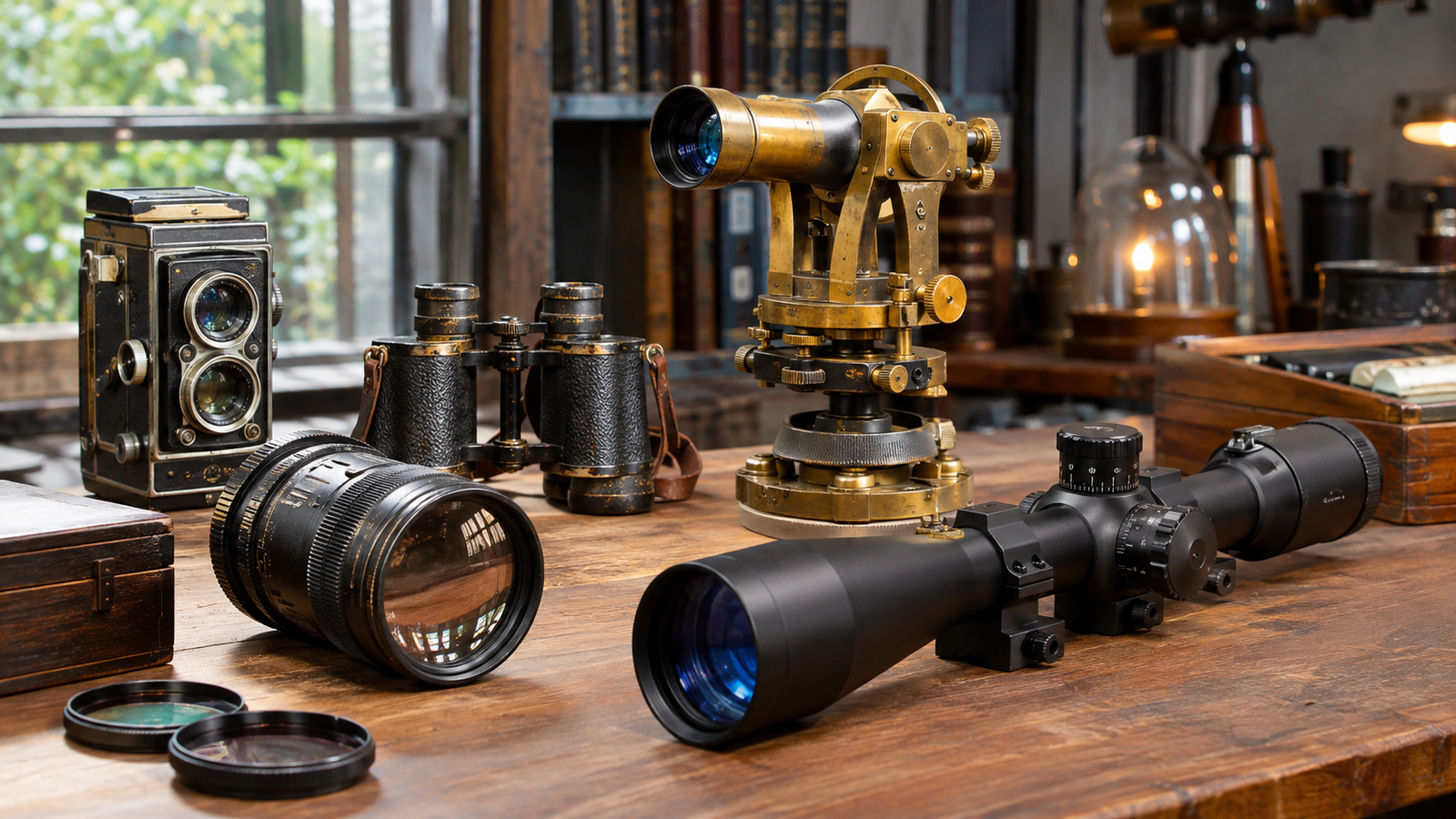
When people think about rifle scopes, magnification is usually the first feature that comes to mind. However, a well-designed scope involves much more than making distant objects appear larger. Optical clarity, lens coatings, construction materials, and manufacturing quality all contribute to how an optical system performs. Understanding these features helps readers appreciate the technology behind modern rifle scopes.
The development of advanced optical equipment has encouraged manufacturers to focus on clearer images, stronger construction, and better environmental protection. Products such as Billings tactical scopes reflect the industry’s interest in combining optical technology with practical design features. Learning how these systems are made can provide useful insight into the qualities that distinguish different optical products.
Understanding the Importance of Optical Quality
Optical quality is one of the most important characteristics of any rifle scope. A well-designed optical system produces an image with good sharpness, contrast, and color reproduction.
However, image quality depends on more than the size of the lenses. The type of glass, arrangement of optical elements, and quality of the manufacturing process can all influence the final result.
Some optical instruments produce clear images near the center but show slight distortion around the edges. Others may display unwanted color fringes or reduced contrast in difficult lighting conditions.
These differences explain why two scopes with similar specifications may provide noticeably different viewing experiences.
Manufacturers must carefully balance these optical characteristics to create equipment that delivers consistent image quality.
Why Lens Coatings Matter
Modern optical systems often contain several glass elements. Each glass surface can reflect some of the light passing through it, reducing the amount of light available to form an image.
Manufacturers apply specialized coatings to help manage these reflections and improve light transmission.
Multi-coated lenses can support better image contrast and reduce unwanted reflections. However, the effectiveness of these treatments depends on their composition, application, and the overall optical design.
Additional exterior coatings may help protect lens surfaces against moisture and make routine cleaning easier.
Good optical coatings contribute to image quality, but they cannot replace high-quality glass or careful engineering. The best results come from components working together as a complete system.
The Relationship Between Magnification and Image Quality
Magnification describes how much larger an object appears through an optical instrument compared with unaided viewing.
Although higher magnification may seem more impressive, it does not automatically indicate better optical quality.
As magnification increases, the visible area of a scene generally becomes smaller. Image brightness and the apparent visibility of optical imperfections may also change.
Manufacturers therefore need to consider how magnification interacts with other design characteristics.
A balanced optical system takes several factors into account rather than concentrating entirely on magnification.
Understanding this relationship helps readers interpret specifications more accurately and recognize why optical design is more complicated than a single numerical value.
What Makes a Rifle Scope Durable?
Rifle scopes are mechanical and optical instruments that may experience changing outdoor conditions. Their construction helps protect delicate internal components from everyday environmental exposure.
The outer housing provides structural support, while internal seals help limit the entry of moisture and dust.
Manufacturers may use different housing materials depending on the intended weight, strength, and manufacturing requirements of a particular design.
Several construction features are worth understanding:
- Housing material: Influences the weight, structural strength, and external finish.
- Protective sealing: Helps reduce unwanted moisture and dust entering the housing.
- Mechanical construction: Supports the positioning and protection of internal optical components.
- Surface finishes: Can help protect exterior metal surfaces against certain forms of environmental wear.
These features contribute to overall durability, although their effectiveness varies between manufacturers and product models.
Understanding Eye Relief and Field of View
Two frequently discussed optical specifications are eye relief and field of view.
Eye relief describes the distance between the eyepiece and the viewer’s eye at which a full image can be seen.
When the eye is positioned outside the intended viewing distance, portions of the image may become difficult to see.
Field of view describes how much of a scene is visible through an optical instrument at a specified distance.
In variable-magnification optics, the field of view generally becomes narrower as magnification increases.
These measurements describe different aspects of optical design, and neither should be considered independently of the entire system.
Both specifications help explain why optical products with similar magnification ranges can provide different viewing experiences.
How Modern Manufacturing Supports Optical Quality
The manufacturing process plays an important role in the consistency of modern optical equipment.
Producing a rifle scope involves more than assembling glass lenses inside a housing. Manufacturers must consider lens alignment, mechanical tolerances, protective treatments, and inspection procedures.
Even small differences in production quality can influence the condition and performance of a completed optical instrument.
This makes quality control an important part of the manufacturing process.
For example, manufacturers may inspect the appearance of optical surfaces, mechanical components, and assembled products before they leave the production facility.
Companies offering products such as Billings tactical scopes operate within an industry where optical engineering, material selection, and manufacturing consistency are important parts of product development.
Clear technical information also helps readers understand how specific features contribute to a product’s overall design.
Why Weather Protection Is Important
Outdoor optical equipment may encounter rain, humidity, dust, and temperature changes. These environmental conditions can affect both exterior surfaces and internal components.
Manufacturers address these challenges through protective seals, housing design, and surface treatments.
Some optical instruments also use dry gas inside sealed compartments to help reduce internal condensation.
However, waterproof and fogproof describe different protective characteristics.
Waterproofing concerns resistance to water entering the instrument under specified conditions. Fog protection often refers to measures designed to reduce condensation inside the optical housing.
Understanding these differences makes it easier to evaluate technical descriptions without assuming every product offers the same level of environmental protection.
Reading Product Specifications Correctly
Technical specifications contain useful information, but their meaning is not always immediately obvious.
For someone unfamiliar with optical terminology, a long list of measurements may seem confusing.
A few common specifications are especially helpful to understand:
- Objective lens diameter: Describes the physical diameter of the front objective lens.
- Magnification range: Indicates the available levels of image enlargement.
- Field of view: Describes the width of the visible scene at a stated distance.
- Eye relief: Indicates the specified viewing distance between the eye and eyepiece.
- Lens coatings: Describe treatments used on optical surfaces.
These specifications should be considered together because no individual measurement tells the complete story.
For example, a larger objective lens does not automatically guarantee better optical performance. Glass quality, coatings, magnification, and lighting conditions all influence the resulting image.
Good product descriptions explain these characteristics clearly rather than relying on impressive numbers alone.
The Importance of Proper Optical Maintenance
Optical equipment requires reasonable care to preserve the condition of its exterior surfaces.
Dust, fingerprints, moisture, and improper cleaning methods can affect coated lenses over time.
One common mistake is wiping a dusty lens with a dry cloth. Small particles may scratch the surface or damage sensitive coatings if they are rubbed across the glass.
Loose debris should first be removed using an appropriate lens blower or soft optical brush.
Cleaning products designed for coated optical surfaces can then be used according to the manufacturer’s instructions.
Storage is equally important. Keeping optical equipment in a clean, dry environment can help reduce unnecessary exposure to moisture and dirt.
Protective lens covers may also help prevent accidental contact with exposed glass during storage.
These simple practices can support the long-term condition of an optical instrument.
Why Product Documentation Matters
Manufacturers often focus on product features when presenting their optical equipment. However, reliable documentation can be just as important as the features themselves.
Detailed specifications help readers understand what a product offers and how its characteristics are measured.
Descriptions of lens treatments, housing materials, and environmental protection are more useful when they explain the actual technology involved.
Clear documentation can also prevent confusion between marketing language and measurable performance.
For example, terms such as high definition, premium quality, and advanced optics may sound appealing, but they become more meaningful when supported by technical information.
Manufacturers that provide clear product descriptions help readers develop realistic expectations.
This approach also contributes to stronger brand credibility because it places useful information ahead of exaggerated promotional claims.
How Optical Technology Continues to Improve
The optical equipment industry continues to benefit from developments in materials, production methods, and precision manufacturing.
Improved design software allows engineers to evaluate optical arrangements before physical production begins.
Modern lens coatings can improve the management of unwanted reflections, while advances in manufacturing processes can support consistency between finished products.
Mechanical design also continues to evolve as manufacturers explore different combinations of materials, protective finishes, and construction methods.
Nevertheless, new technology does not automatically mean every recently introduced product performs better than an older model.
The quality of an optical system still depends on how well its components work together.
For this reason, careful engineering and reliable quality control remain central to modern optical manufacturing.
Conclusion
A high-quality rifle scope is the result of several important technologies working together. Optical glass, lens coatings, housing construction, protective seals, and manufacturing standards all influence the completed product. Understanding these details offers a clearer picture of what goes into the development of modern optical equipment.
For readers interested in learning more about optical engineering and product design, billingsoptics.com is one example of a manufacturer-focused website presenting rifle scope products and their technical features. Exploring product information can help readers become more familiar with the terminology and technologies used throughout the optics industry.
Ultimately, understanding optical quality is about looking beyond marketing claims and individual specifications. A well-informed perspective considers the complete design, manufacturing process, durability, and maintenance requirements of an optical instrument. These factors provide a stronger foundation for appreciating the engineering behind modern rifle scopes.