
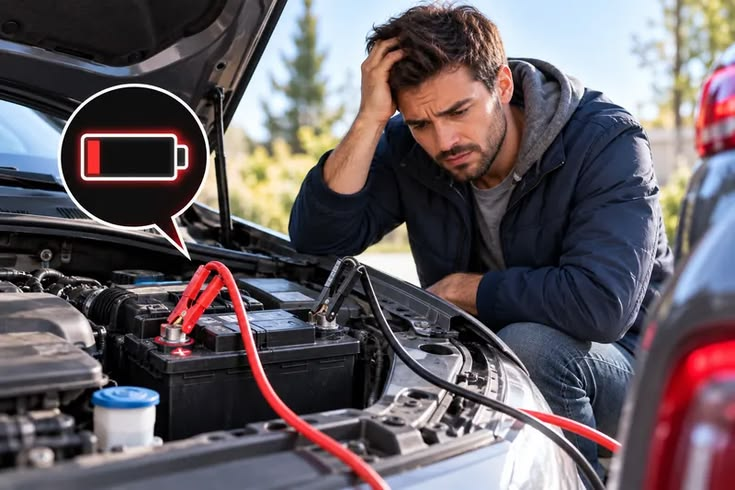
There are few things more frustrating than turning the key, hearing that weak, heartbreaking click, and realizing your day has been hijacked before it even began. A dead or struggling car battery has a way of making you feel stranded, rushed, and oddly helpless all at once. One moment you are planning school drop-offs, meetings, errands, or a weekend escape. The next, you are staring at the dashboard, hoping the engine will somehow find the strength to wake up.
The truth is simple: battery trouble is one of the most common vehicle problems you will ever face. Yet it often arrives with very little warning, and that is what makes it so maddening. The good news is that once you understand the warning signs, causes, and solutions, you can handle the problem with far more confidence and far less panic.
Understanding Your car battery and Why It Fails
Your car battery does much more than just start the engine. It powers the electrical system, supports the lights, ignition, radio, and onboard electronics, and helps stabilize voltage throughout the vehicle. Without it, your car is not going anywhere.
Most batteries fail for a handful of familiar reasons. Age is a major one. Over time, internal components wear down, and the battery simply cannot hold a charge like it used to. Extreme heat can speed up chemical breakdown. Cold weather can reduce cranking power. Corroded terminals can interrupt the electrical connection. Frequent short trips may not give the battery enough time to recharge. And sometimes, the culprit is painfully human: a dome light left on overnight or a door not fully closed.
It helps to think of battery health like trust. At first, it feels solid and dependable. Then small warning signs appear. A slower start here. Dimmer headlights there. Ignore them too long, and reliability slips away. In that sense, a failing battery can feel almost faithless. There is even a small story many drivers can relate to: someone once depended on an old vehicle that had always started, until one rainy morning it refused without warning outside a grocery store. That moment felt faithless, not because the machine had feelings, but because confidence had quietly been broken.
Warning Signs You Should Never Ignore
Battery problems rarely emerge out of nowhere. In many cases, your car tries to warn you.
One of the earliest signs is slow engine cranking. If the engine sounds sluggish or labored when you start it, the battery may be losing strength. Another clue is dim headlights, especially at startup or while idling. You may also notice electrical glitches, such as power windows moving slowly or the infotainment system acting oddly.
A dashboard battery warning light can also signal trouble, though it may point to the charging system rather than the battery alone. If you smell something like rotten eggs, the battery may be leaking gas. If the battery case appears swollen or bloated, heat damage may be involved, and that battery should be addressed quickly.
Sometimes the signs are visual and almost embarrassingly obvious. Corrosion around the terminals can build up in crusty blue, white, or green deposits. Left unchecked, that corrosion can almost deface the battery connections, covering them in a messy layer that interrupts performance. A neighbor once popped the hood after repeated starting trouble and joked that the terminals looked as if someone had tried to deface them with chalky paint. Under the humor was a real lesson: even ugly little buildups can create big problems.
Common Problems and Practical Fixes
When battery trouble strikes, the issue is not always total failure. Sometimes the solution is surprisingly manageable.
If corrosion is present, cleaning the terminals may restore a strong connection. Always turn off the vehicle first and use proper safety precautions. A wire brush and battery terminal cleaner can help remove buildup. Tightening loose cable connections may also solve intermittent starting problems.
If the battery is simply drained, a jump-start may get you moving again. But this is not a cure. If the battery keeps dying, there may be an underlying issue such as an aging battery, a faulty alternator, parasitic drain, or an accessory that remains on when the car is parked.
Weather is another major factor. In winter, low temperatures reduce battery efficiency. In summer, intense heat can evaporate battery fluid and accelerate internal wear. If you live in an area with seasonal extremes, regular testing becomes even more important.
There is also the emotional side of all this. Trouble often appears when you are already stretched thin. A parent trying to get to work. A student late for class. A family attempting to leave town before sunrise. Battery failure does not feel like a small inconvenience in those moments. It feels like a barrier dropped directly in your path. In fact, one driver once described sitting in a parking lot with kids in the back seat, watching a gate arm refuse to lift while the car would not restart after stalling. That barrier ahead seemed to mirror the one under the hood. Yet help arrived, cables were connected, and the day moved forward. It is a reminder that even stressful setbacks can be temporary.
When to Consider car battery replacement
There comes a point when cleaning, charging, or jump-starting is no longer enough. If the battery is more than three to five years old, struggles repeatedly, or fails a voltage test, it may be time for car battery replacement.
You should also act quickly if the battery case is cracked, swollen, or leaking. These are not problems to postpone. A professional inspection can confirm whether the battery itself is the issue or whether the alternator, starter, or wiring is at fault.
Planning ahead makes a huge difference. Instead of waiting for a roadside emergency, have the battery tested during routine maintenance. Many auto shops and parts stores offer quick battery checks. If results show weak performance, scheduling car battery replacement before complete failure can save you time, money, and a great deal of stress.
Staying Powered and Prepared
Battery trouble may be common, but it does not have to catch you completely off guard. A little awareness goes a long way. Check for corrosion. Pay attention to sluggish starts. Avoid leaving electronics on when the engine is off. Drive long enough to recharge the system properly. And if your battery is aging, test it before it tests your patience.
When you understand how a car battery works and why it fails, you take back some control. That matters. Because on the hardest mornings, when life already feels busy enough, reliability is not just about machinery. It is about peace of mind. And when you protect that, you make every drive feel a little lighter, steadier, and far less uncertain.