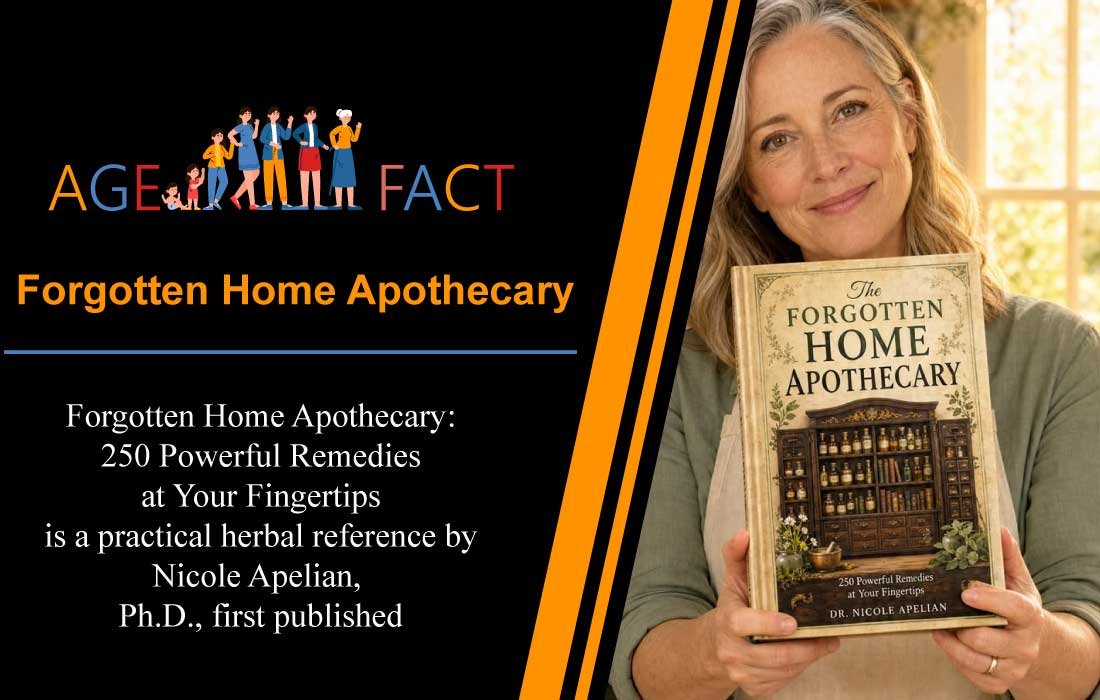
Forgotten Home Apothecary: 250 Powerful Remedies at Your Fingertips is a practical herbal reference by Nicole Apelian, Ph.D., first published in 2024 by Global Brother. It gathers 250 remedies and presents them as a home reference for people interested in traditional plant-based preparations. The book is aimed at both newcomers to herbal remedies and readers who already have some experience making them. For a UK audience, it offers a look at a style of home herbal practice, although readers should check local guidance on plant identification, product regulation and safe use.
Dokumen.pub Forgotten Home Apothecary 250 Powerful Remedies at Your Fingertips by Salvi Boronat Rodríguez
Forgotten Home Apothecary: Complete Book Information Table
| Detail | Information |
| Full Book Title | Forgotten Home Apothecary: 250 Powerful Remedies at Your Fingertips |
| Short Title | Forgotten Home Apothecary Remedies |
| Author | Nicole Apelian, Ph.D. |
| Co-Author | No co-author credited |
| Publication Year | 2024 |
| Publisher | Global Brother SRL |
| Genre | Herbal Medicine, Natural Health, Alternative Medicine |
| Subgenre | Traditional Herbal Remedies and Home Apothecary |
| Book Type | Practical Herbal Reference Guide |
| Language | English |
| Approximate Length | 288 pages |
| Number of Remedies | 250, as stated in the title |
| Primary Subject | Herbal remedies and traditional plant-based preparations |
| Main Focus | Understanding herbal ingredients and preparing remedies at home |
| Intended Audience | Beginners, herbal enthusiasts and readers interested in traditional remedies |
| Reading Level | General readers; some familiarity with herbal practices may be helpful |
| Writing Approach | Informative and reference-oriented |
| Main Topic | Home herbal apothecary practices |
| Herbal Ingredients | Medicinal plants and other natural materials |
| Preparation Methods | Infusions, decoctions, tinctures, infused oils, syrups and salves |
| Home Apothecary | Setting up and organising a home herbal preparation space |
| Equipment | Tools and supplies used in preparing herbal products |
| Ingredient Selection | Sourcing and selecting suitable herbal ingredients |
| Storage | Handling and storing herbal materials and preparations |
| Remedy Organisation | Remedies arranged around different health concerns |
| Safety Information | Safety guidelines and precautions |
| Practical Value | Serves as a reference for exploring different herbal preparations |
| Educational Value | Introduces readers to traditional herbal preparation methods |
| Main Appeal | A collection of 250 remedies in one reference book |
| Paperback Edition | Listed |
| Hardcover Edition | Edition listing available; verify current availability |
| Ebook Edition | Not independently confirmed |
| Author’s Background | Nicole Apelian is associated with herbalism, biology and natural wellness |
| Related Author Book | The Lost Book of Herbal Remedies |
| Other Author Book | The Forager’s Guide to Wild Foods |
| Another Author Book | The Holistic Guide to Wellness |
| Best For | Readers interested in herbal knowledge and traditional home preparations |
| Not Intended As | A replacement for professional medical diagnosis or treatment |
| Overall Category | Herbal Reference and Natural Remedies & More |
Key Ideas in the Book
Rather than building around a single narrative, the book is arranged as a working resource. Its contents move from establishing a home apothecary to explaining preparation methods, then to remedies grouped by areas of health. The listed methods include teas and infusions, decoctions, tinctures, infused oils, syrups, salves and other preparations. This arrangement is intended to help readers find material by topic instead of reading from cover to cover. A separate section on safety guidelines and precautions is also included, an important part of a book dealing with home remedies.
| Idea | What it means in the book | Imagined situation |
| Setting up a herbal apothecary | Preparing a suitable home space for herbal ingredients and equipment. | An imagined reader arranges a small cupboard for storing dried herbs and preparation tools. |
| Sourcing quality ingredients | Paying attention to the quality and suitability of herbs used in preparations. | An imagined reader compares two suppliers before choosing dried herbal ingredients. |
| Equipment and storage | Understanding the supplies needed to prepare and preserve herbal materials. | An imagined reader labels jars and organises containers for future preparations. |
| Herbal preparation methods | Learning about different forms, including infusions, decoctions and tinctures. | An imagined reader studies the differences between preparing a tea and a decoction. |
| Remedies organised by health areas | Using the book’s subject-based arrangement to locate relevant remedy sections. | An imagined reader consults the relevant section when researching a particular health topic. |
| Safety guidelines and precautions | Considering safe handling and appropriate precautions when working with herbal preparations. | An imagined reader checks ingredient warnings and seeks professional advice before using a preparation. |
Who Should Read This Book
| Reader type | Good fit? (Yes / Maybe / No) | Reason |
| Beginners interested in herbal remedies | Yes | Offers an introduction to herbal preparation and an organised reference structure. |
| Experienced herbal enthusiasts | Yes | Provides a broad collection of preparations and remedy topics to explore. |
| Readers interested in traditional home practices | Yes | Focuses on herbal preparations and traditional approaches to home apothecary practices. |
| Readers seeking clinically proven medical treatments | No | A herbal reference should not replace evidence-based diagnosis or treatment. |
FAQs
1. What is Forgotten Home Apothecary about?
It is a herbal reference book containing 250 remedies and information about preparing and using herbal products. It also covers setting up a home apothecary and safety precautions.
2. Who wrote Forgotten Home Apothecary?
The book was written by Nicole Apelian, Ph.D., an herbalist, biologist and author. Her work also includes other books on medicinal plants and holistic wellness.
3. How many remedies are included in the book?
The title and published descriptions identify 250 remedies. The book is arranged to help readers locate remedies by particular health areas.