Table of Contents
1. The Shifting Landscape of Corporate Gifting in 2026
2. Defining Cost Effectiveness in a Circular Economy
3. Why Tea Towels Outperform Traditional Promotional Products
4. Material Matters: The Sustainability Profile of Natural Fibres
5. Strategic Brand Visibility and the Kitchen Real Estate
6. Comparative Analysis: Tea Towels versus Tech Gadgets and Apparel
7. Customisation Techniques that Preserve Eco Integrity
8. Logistics and Distribution: The Lightweight Advantage
9. Maximising ROI through High Utility Design
10. The Long Term Impact of Functional Sustainability
The Shifting Landscape of Corporate Gifting in 2026
As we move toward 2026, the corporate gifting sector is undergoing a radical transformation. Businesses are no longer judged solely by the perceived value of their gifts but by the environmental footprint those gifts leave behind. The era of plastic trinkets and single use promotional items has effectively ended, replaced by a demand for products that offer genuine utility and a clear conscience. Companies are looking for ways to stay top of mind without contributing to the global waste crisis.
Sustainability has transitioned from a niche marketing buzzword to a core operational requirement. In this climate, the search for the perfect promotional item involves balancing three critical factors: cost, brand impact, and environmental responsibility. This search often leads back to a household staple that has been reimagined for the modern era. When considering whether branded tea towels are the most cost effective sustainable gift for 2026, one must look at how they align with these evolving corporate values.
Defining Cost Effectiveness in a Circular Economy
To understand cost effectiveness in 2026, we must look beyond the initial purchase price. True value is now calculated through the lens of the circular economy, which considers the lifespan of a product, its frequency of use, and its ultimate disposal. A low cost item that is discarded within a week is significantly more expensive in terms of cost per impression than a slightly higher priced item that remains in a household for years.
Branded tea towels represent a unique intersection of low unit cost and high durability. Unlike paper based products or fragile electronics, a high quality textile item can withstand hundreds of wash cycles. This longevity ensures that the brand message remains visible for a prolonged period, driving down the effective cost of the marketing investment. When sourcing these items, working with an experienced provider like Totally Branded ensures that the quality of the textile meets the rigorous demands of daily use while maintaining a competitive price point.
The Metrics of Modern Gifting
1. Cost per Impression: How many times a recipient sees the logo over the life of the product.
2. Utility Score: How often the item is actually used for its intended purpose.
3. Waste Potential: The likelihood of the item ending up in a landfill within twelve months.
4. Brand Alignment: How well the gift reflects the sustainability goals of the company.
Why Tea Towels Outperform Traditional Promotional Products
Traditional promotional items such as plastic pens, USB sticks, or synthetic tote bags are losing their appeal. Pens run out of ink, technology becomes obsolete, and the world is currently saturated with cheap tote bags. In contrast, the tea towel occupies a specific niche in the home that is rarely overcrowded. Every kitchen requires multiple towels, and they are used multiple times a day for everything from drying dishes to handling hot plates.
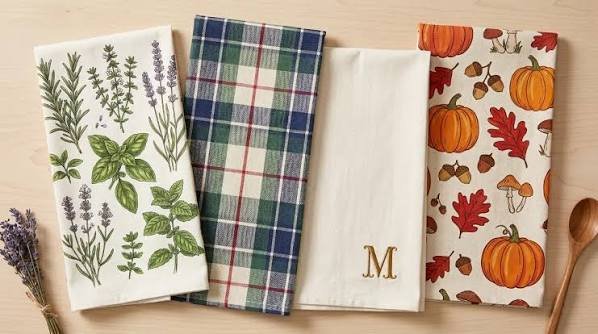
The flat, expansive surface area of a tea towel provides a superior canvas for storytelling compared to smaller items. Instead of a cramped logo on a pen barrel, a company can print detailed illustrations, recipes, or even a calendar. This turns a simple utility item into a piece of functional art. By choosing branded tea towels Totally Branded clients find that they can convey a much richer brand narrative than is possible with almost any other low cost sustainable alternative.
Material Matters: The Sustainability Profile of Natural Fibres
The sustainability of a gift is determined largely by its raw materials. In 2026, the preference has shifted heavily toward organic cotton, linen, and recycled blends. These materials are biodegradable, renewable, and have a significantly lower carbon footprint than polyester or other oil based synthetics. Organic cotton, in particular, uses less water and avoids the harmful pesticides associated with conventional farming.
Linen is another premium option that has gained traction. It is derived from the flax plant, which requires very little irrigation and can grow in poor soil conditions. Linen tea towels are prized for their exceptional absorbency and antibacterial properties. By selecting natural fibres, businesses signal that they are invested in the health of the planet. This choice resonates deeply with modern consumers who are increasingly wary of greenwashing and demand transparency in the supply chain.
Strategic Brand Visibility and the Kitchen Real Estate
The kitchen is the heart of the home, making it the most valuable real estate for brand placement. Unlike an office desk, which is often cluttered and private, the kitchen is a communal space where family and friends gather. A branded tea towel hanging on an oven handle or draped over a sink is visible to everyone in the household and their guests.
This high visibility is not intrusive. Because the item is functional and necessary, the branding is perceived as a helpful reminder rather than an annoying advertisement. The subtle, constant presence of the brand in a domestic setting builds a sense of familiarity and trust. When a company provides a high quality, aesthetically pleasing towel, the recipient associates that quality with the brand itself. This psychological connection is a powerful tool for long term brand loyalty.
Comparative Analysis: Tea Towels versus Tech Gadgets and Apparel
When evaluating the most cost effective sustainable gift for 2026, it is helpful to compare tea towels against other popular categories. Tech gadgets, such as power banks or Bluetooth speakers, often have high perceived value but come with significant environmental baggage. They contain rare earth metals, lithium batteries, and electronic components that are difficult to recycle. Furthermore, they often become obsolete within a few years as technology advances.
Apparel, such as t-shirts or hoodies, faces the challenge of sizing and personal style. A shirt that does not fit or does not match the recipient’s taste will never be worn, resulting in a total loss of marketing value. Tea towels are truly universal. They are one size fits all, and their utility is independent of the recipient’s personal fashion choices. From a logistics standpoint, they are far easier to manage than a range of clothing sizes. This universality makes Totally Branded tea towels a safer and more efficient investment for large scale corporate campaigns.
Customisation Techniques that Preserve Eco Integrity
The method of branding is just as important as the item itself. In the past, heavy plastic based screen printing was the standard, but this can interfere with the absorbency of the fabric and introduce microplastics into the water system during washing. In 2026, the focus has shifted to water based inks and digital printing technologies that penetrate the fibres without leaving a thick residue.
Sustainable Printing Options
1. Water Based Screen Printing: Uses inks that are free from toxic chemicals and phthalates.
2. Digital Pigment Printing: A low water process that allows for complex, multi coloured designs with minimal waste.
3. Embroidery: Provides a high end, durable finish using organic or recycled threads.
4. Reactive Printing: Ensures the design becomes part of the fabric, maintaining the soft feel and high absorbency of the towel.
Logistics and Distribution: The Lightweight Advantage
One of the often overlooked costs of corporate gifting is shipping and storage. Heavy or bulky items can double the total project budget once distribution is factored in. Tea towels are exceptionally lightweight and can be folded flat or rolled into compact cylinders. This makes them incredibly cost effective to ship, whether they are being sent to a central office or directly to individual remote workers.
The durability of textiles also means they require minimal protective packaging. Unlike glass, ceramics, or electronics, tea towels will not break if dropped during transit. This eliminates the need for plastic bubble wrap or excessive cardboard padding, further enhancing the sustainable profile of the gift. For companies looking to reduce their Scope 3 emissions, the low transport weight of textiles is a significant advantage.
Maximising ROI through High Utility Design
To ensure a branded tea towel remains in use for years, the design must be thoughtful. A giant, poorly placed logo may relegate the towel to the back of a cupboard. However, a design that incorporates beautiful typography, local maps, or useful kitchen conversions makes the towel a permanent fixture on the counter. The goal is to create something the recipient would actually choose to buy for themselves.
When the design is executed well, the return on investment is unparalleled. A single towel costing a few pounds can generate thousands of impressions over its five to ten year lifespan. This longevity is why many marketing managers are turning to Totally Branded for their sustainable gifting needs. By focusing on high utility and high design, a simple kitchen accessory becomes a powerful long term brand ambassador.
The Long Term Impact of Functional Sustainability
The shift toward functional sustainability is not a passing trend. As environmental regulations tighten and consumer expectations rise, the pressure on businesses to make ethical choices will only increase. Choosing a gift that is genuinely useful, made from renewable materials, and easily recyclable at the end of its life is a clear demonstration of corporate responsibility. Branded tea towels offer a rare combination of affordability and impact. They solve the problem of gift waste while providing a practical solution for the recipient. In the competitive landscape of 2026, the brands that succeed will be those that integrate themselves seamlessly into the daily lives of their customers in a helpful, non intrusive way. By opting for a high quality textile gift, businesses can ensure their message is seen every day, in every kitchen, for years to come. This enduring presence, combined with a low carbon footprint and manageable costs, makes the tea towel a leading contender for the most effective p