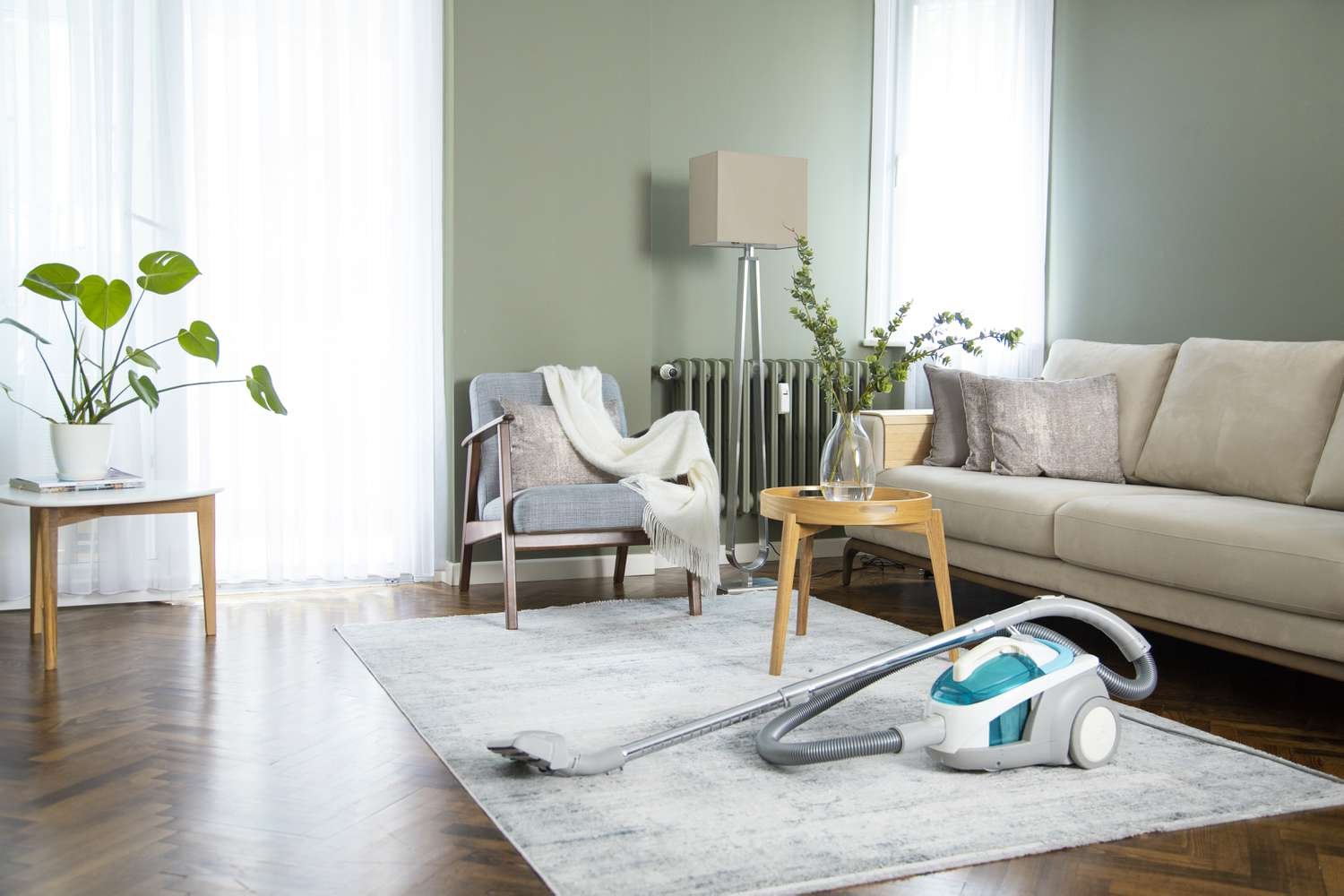

Life with a dog, cat, or other animal usually comes with hair, dander, tracked-in dirt, and the occasional stubborn odor. A dedicated pet vacuum can be a genuinely useful addition to your cleaning arsenal, particularly if you’re dealing with heavy shedding, but it’s really just one piece of a much bigger routine. It helps to remember that pet allergies are usually triggered by proteins in dander, saliva, or urine—not by fur itself—so the most effective approach blends prevention, targeted cleaning, good ventilation, and tools suited to each surface. Regular cleaning can significantly cut down on accumulated debris and day-to-day exposure, though it’s worth being realistic: no routine will ever remove every last allergen from a home.
Understanding What Pets Add to the Indoor Environment
Pet hair is the obvious stuff—visible, constant, and impossible to ignore if you share your space with a shedding animal. Pet dander is trickier: these are tiny flakes of dead skin that often carry allergenic proteins, and they’re far less noticeable than loose fur. Then there’s tracked-in debris—soil, pollen, moisture, and whatever else gets picked up outdoors—which adds yet another layer to what settles indoors. Carpets and soft furnishings are particularly good at holding onto hair and dander, and those particles don’t necessarily stay put; they can become airborne again simply from someone walking across a carpet, sitting on the couch, or shaking out a blanket.
Some spots in the house naturally need more attention than others. Sleeping areas, upholstered furniture, pet beds, entryways, and feeding stations are all high-contact zones worth prioritizing. Keeping pets out of the bedroom, for instance, can meaningfully cut down exposure in a room where people spend a large chunk of their day (or night). How often you actually need to clean depends on a mix of factors—flooring type, the size and coat of your pet, and how well-ventilated your home is.
Key distinction: Getting rid of visible hair isn’t the same thing as eliminating allergens. A floor can look perfectly clean while dander still lingers in fabric fibers or hides in corners you haven’t thought to check.
Build a Practical Cleaning Routine
A routine that actually sticks tends to break tasks down by frequency, rather than trying to tackle everything in one exhausting session.
Daily or near-daily tasks are the small, quick things: picking up visible hair in high-traffic areas, wiping down hard floors near feeding stations and entryways, shaking out washable mats, cleaning up spills right away, and washing your hands after handling pets or their supplies.
Weekly tasks go a bit deeper—vacuuming carpets, rugs, and upholstered furniture; washing pet bedding according to its care label; wiping down surfaces that get touched often, like crate doors and handles; and checking the corners and under-furniture spaces where hair likes to collect.
Periodic tasks cover the areas that are easy to forget: vents, baseboards, blinds, removable furniture covers, and curtains, plus a quick inspection of your cleaning equipment for clogged filters or weakening airflow. Naturally, a household with one short-haired cat won’t need nearly as much upkeep as one with two large, double-coated dogs—adjust your schedule to fit your actual situation.
Here’s what that might look like in practice: a family with a shedding retriever could spend five minutes each morning clearing hair near the entryway and dog bed, then set aside thirty minutes every weekend for vacuuming and washing bedding. This kind of consistent routine almost always beats sporadic, all-day deep cleans in terms of actual results.
Use the Right Technique for Each Surface
Not every surface responds to the same cleaning method, and using the wrong one can end up spreading debris instead of removing it.
| Surface | Common Problem | Suggested Approach |
| Hard floors | Loose hair and dirt | Sweep or vacuum first, then damp-clean following manufacturer instructions |
| Carpets and rugs | Embedded hair and dander | Slow, overlapping vacuum passes, with attention to edges and furniture undersides |
| Upholstery and bedding | Trapped allergens, odors | Use washable covers, launder per fabric-care labels, test products first |
| Entryways | Tracked-in mud and debris | Washable mats, paw wiping, nearby storage for towels |
On hard floors, sweeping or vacuuming before you break out the mop keeps wet hair and dirt from smearing across a wider area. Carpets benefit from slow, overlapping vacuum passes with a well-maintained machine—though even frequent cleaning only reduces accumulated particles rather than guaranteeing everything buried deep in the fibers gets pulled out. For upholstery and bedding, washable covers paired with label-appropriate laundering go a long way, and it’s worth keeping pets off freshly cleaned or still-damp surfaces until they’ve fully dried. At entryways, a washable mat and a stack of towels nearby make the daily routine far easier to keep up.
Managing Allergens Without Overpromising
Cleaning helps reduce exposure, but it’s not a cure-all. Keeping pets out of bedrooms and off upholstered furniture can make a real difference for allergy-prone households. HEPA filtration—whether in an air purifier or a vacuum—can help capture airborne or disturbed particles, though how well it works depends on the equipment’s design, how it’s maintained, the size of the room, and how consistently it’s used. Swapping carpet for hard flooring may cut down on places where dander settles, but that’s a bigger step than most households need to take. If allergy or asthma symptoms persist, it’s worth talking to a qualified healthcare professional rather than assuming cleaning alone will solve the problem.
Clean Pet Supplies Safely
It’s easy to conflate cleaning and disinfecting, but they’re not the same thing. Always clean before disinfecting—cleaning physically removes dirt and organic material, while disinfecting uses a product designed to reduce specific microorganisms, and leftover grime can actually weaken a disinfectant’s effectiveness. Wash bowls, toys, crates, and litter equipment according to the material and manufacturer’s guidance, and always follow the product label for dilution, contact time, ventilation, and rinsing instructions. Keep cleaning chemicals well out of pets’ reach, let items dry completely before putting them back into use, and avoid cleaning pet supplies in areas where you prepare food whenever possible. Wash your hands afterward—especially after dealing with waste.
Common Mistakes to Avoid
A few missteps come up again and again: cleaning only the hair you can see while ignoring bedding and baseboards, covering up odors with fragrance instead of addressing the source, disinfecting without cleaning first, mixing household cleaning products together, and letting filters or vacuum bags go unchecked for too long.
Quick safety check: Read the full product label before use, make sure the area is well-ventilated, keep pets away from wet or chemically treated surfaces, and wash your hands once you’re done cleaning.
Creating a Routine That People Can Maintain
Breaking tasks into small chunks assigned to specific days, focusing on the rooms where pets and people spend the most time, and keeping your tools within easy reach all make a routine far more sustainable. Even a renter who can’t replace the flooring can still manage hair and odor effectively with consistent, surface-appropriate cleaning and a few washable mats. Keeping an eye on recurring patterns—shedding seasons, muddy entryways, lingering smells—can help you fine-tune the approach as you go. In the end, consistency tends to matter far more than the occasional marathon cleaning session.
A Cleaner Home Starts With Consistent, Targeted Habits
Figuring out where hair, dander, and debris tend to build up, matching your cleaning method to each surface, and combining light daily upkeep with periodic deeper cleans—that’s really the foundation of a routine that works. Handle pet supplies and cleaning products with care, and keep your expectations grounded when it comes to managing allergies. A good place to start: pick the three areas in your home that need the most attention and build a simple, manageable weekly routine around them.