A Different Side of Himalayan Trekking
Nepal isn’t one trekking destination. It’s a handful of very different mountain worlds sitting side by side, and the trail you pick shapes almost everything about your trip: how busy the lodges are, how far you are from the nearest road, even how the evenings feel. Most first-time visitors end up looking at the same few valleys in the central Himalayas. Fair enough, they’re beautiful. But travel east, close to the Indian border, and things change.
The Kanchenjunga trek is where that change is most obvious. It’s long, quiet and properly remote, the kind of walk that suits people who have a few treks behind them and want something less packaged. If you’re still weighing it against the more familiar Annapurna side, this guide covers the routes, the culture, the seasons and the paperwork. It also looks at something people tend to rush past: choosing who actually organises the trip.
Understanding the Kanchenjunga Region
Mount Kanchenjunga rises to 8,586 metres on the border between Nepal and India, and it’s the third highest mountain on earth. The Nepali side sits in the far northeast of the country, in a corner that most travellers never reach. Getting there takes time, and that is exactly why it has stayed quiet.
The scenery changes a lot as you walk. You start in warm, terraced hills and subtropical valleys, climb through rhododendron and bamboo forest, then step out into alpine meadows, yak pastures and moraine beneath huge glaciers. It feels like crossing several countries in one trip.
Much of the area falls inside the Kanchenjunga Conservation Area, which protects both wildlife and the way of life of the people who live here. The mountain also carries spiritual weight for local communities, so you’ll notice a certain respect in how villagers talk about it.
Remoteness affects everything. Roads are rough and slow, lodges are simple, and daily plans can shift because of weather or a washed-out trail. Experienced trekkers often love that. If you need predictability, it’s worth knowing before you book.
Kanchenjunga Trek Routes: North and South Base Camps
Kanchenjunga North Base Camp Route
The northern approach heads for Pangpema, the viewpoint most people mean when they say North Base Camp. The trail usually begins around Taplejung and follows river valleys and forested ridges to Ghunsa, a Tibetan-influenced village that works as a natural pause before the high country.
Above Ghunsa the landscape opens up. Forest gives way to alpine terrain, the air thins, and the big peaks finally show themselves. Pangpema sits at a serious altitude, so a gradual climb with rest days built in isn’t optional. It’s what keeps you walking comfortably.
Kanchenjunga South Base Camp Route
The southern route leads toward Oktang, a high viewpoint with a close, almost overwhelming outlook on Kanchenjunga’s southwest side. It passes through villages like Yamphudin and Tseram, with more settlements along the way and a lot of up-and-down walking through forest and ridgeline.
Compared with the north, the south feels greener and more village-based for much of the trek, while the north leans toward wide open mountain terrain. Both finish in a big mountain payoff, just a different one.
Kanchenjunga Circuit Trek
Strong trekkers with enough time can link both sides into a full circuit. This crosses high ground, including the Sele La area, and it takes weeks rather than days. The itinerary needs careful planning because weather can close a pass, and you’ll want spare days in the schedule. Good fitness and previous trekking at altitude make a real difference here.
Life Along the Trail: Local Communities and Mountain Traditions
The people are a huge part of this trek. Limbu and Rai communities live in the lower and middle hills, Sherpa families and Tibetan-influenced communities settle in the higher valleys, and each group brings its own customs, food and festivals.
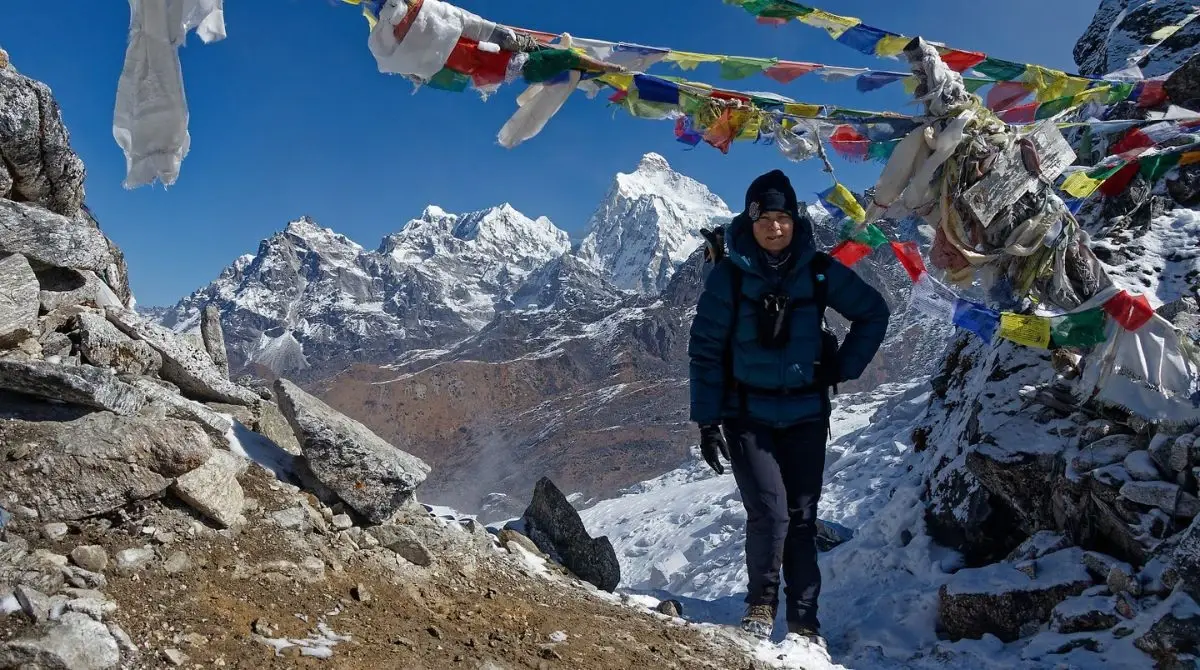
Along the way you’ll pass monasteries, long mani walls, strings of prayer flags and traditional wooden houses. Staying in small settlements means sharing a kitchen fire, drinking tea with the family and getting a real sense of daily life. Because the region is so remote, many of these traditions have stayed intact.
Travel gently here. Dress modestly around monasteries, walk clockwise past prayer walls, ask before taking portraits, and choose locally owned lodges whenever you can. Your money then stays in the communities that host you.
Kanchenjunga Trek vs Annapurna Trek Nepal: Which Himalayan Experience Is Right?
Nepal’s eastern and central Himalaya feel like two different trips. Annapurna is the classic, well-developed option, and the Annapurna Trek Nepal has earned its popularity with accessible trailheads, plenty of lodges and routes ranging from short walks to multi-week circuits. Kanchenjunga is the opposite in almost every way: fewer people, fewer services, longer distances.
On scenery, Annapurna gives you a huge variety, from green farmland and apple orchards to desert-like high valleys and big passes. Kanchenjunga is wilder and more continuous, with deep forests, glacial basins and a feeling of space you rarely get elsewhere.
Culturally, Annapurna villages are used to visitors and often have good facilities. In the east, settlements are smaller and quieter, and the experience feels less polished and more personal.
Difficulty is where the gap widens. Annapurna has options for nearly every fitness level. Kanchenjunga means long days, remote camps and little margin for mistakes. Both need preparation, but they suit different travellers.
To choose, think honestly about your available time, previous trekking experience, fitness, how remote you want to be, and your budget. If this is your first Himalayan trek, Annapurna may be the easier start. If you’ve done a few and crave solitude, Kanchenjunga is hard to beat.
When to Visit Kanchenjunga: Weather, Seasons and Trail Conditions
Spring (March to May) and autumn (September to November) are the usual trekking windows. Spring brings blooming rhododendrons and warmer days, though haze can soften the views. Autumn tends to offer clearer skies and steadier weather, which is why it’s popular.
The monsoon brings heavy rain, clouds, leeches, slippery trails and the risk of landslides, so it isn’t a comfortable time here. Winter is cold, with snow on the higher sections, and the high crossings become far more difficult.
Weather in the eastern Himalaya can turn quickly, even in the best months. Check current forecasts and ask about recent trail conditions before you leave.
Trekking Preparation: Permits, Fitness, Accommodation and Logistics
Kanchenjunga is a restricted area, so you can’t just turn up and start walking. You’ll need the Kanchenjunga Conservation Area Permit plus the restricted-area permission, and the rules around group size, guides and registration should be confirmed through an authorised trekking operator before you travel. Rules change, so rely on current information rather than old blog posts.
For fitness, build endurance with long uphill walks and practise carrying a daypack on consecutive days. At altitude, climb gradually, take rest days seriously and learn the early signs of altitude sickness: headache, nausea, unusual tiredness. If symptoms get worse, going down is the answer.
Teahouses and lodges exist on many sections, but they’re basic. Menus are limited, rooms are simple, and facilities become less predictable in remote villages. Carry snacks and any personal supplies you can’t do without.
Pack in layers, with a good waterproof jacket, well broken-in boots, a warm sleeping bag, personal medication and a basic first-aid kit.
Finding the Right Trekking Agency in Kathmandu: What Should Travellers Check?
Booking a remote Himalayan trek takes more than picking a nice-looking itinerary. Transport is slow, permits need handling, and a missed detail can cost days. That’s where a locally established Trekking Agency in Kathmandu earns its fee, particularly one that knows the eastern trails.
Start with experience. Look for an operator that has actually run remote-region treks, not just general Nepal packages, and ask directly about previous Kanchenjunga itineraries. Vague answers are a warning sign.
Next, ask about guides and staff. A licensed, experienced guide who communicates well and understands emergencies is worth far more than a cheaper quote. Ask how porters are treated too: fair pay, proper gear and sensible loads.
Costs and itineraries should be clear. You want walking hours, elevation changes, accommodation, meals, transport, permits and inclusions written down, plus a list of what isn’t covered so there are no surprises on the trail.
Finally, safety. Ask how altitude sickness is handled, what communication is available in remote areas, how evacuations are arranged and what insurance you need. In a region with so little road access, these answers matter more than anywhere else.
Planning Your Himalayan Journey with a Local Trekking Company
A well-run trekking company coordinates transport, permits, lodges, guides and route planning so you can focus on walking. Adventure Great Himalaya is one Kathmandu-based company travellers can look at while researching their options for Nepal trekking arrangements.
Whoever you consider, compare itinerary details, local experience, how quickly they answer questions and what safety plans they have, rather than choosing on price alone. Be upfront about your trekking experience and how many days you really have. A good operator will adjust the plan to you instead of selling the same package to everyone.
Responsible Trekking in the Eastern Himalayas
Pack out what you carry in, and cut down on single-use plastic, since waste management is hard in remote villages. Respect monasteries and community spaces, and treat guides and porters as the professionals they are. Stay and eat in local lodges, and protect the forests, wildlife and water sources of the conservation area. Small choices add up on a trail this fragile.
Conclusion: Looking Beyond Nepal’s Familiar Trekking Routes
The Kanchenjunga region offers something increasingly rare: long, quiet trails, changing landscapes and villages where mountain life carries on at its own pace. It asks more of you than the busier routes do, in time, fitness and patience, and it gives plenty back.
Set against the Annapurna side, the contrast is clear. One is accessible and well supported, the other remote and demanding. Neither is better in general. They simply suit different people.
What makes the difference is preparation and the people who organise your trip. Take time to check permits, ask hard questions about safety and choose a knowledgeable local operator you trust.
In the end, the right Himalayan journey isn’t necessarily the most famous one. It’s the one that fits your interests, your experience and what you expect from the mountains.
Frequently Asked Questions About Kanchenjunga Trekking
How difficult is the Kanchenjunga trek?
It’s a demanding trek. Expect long days, high altitude, remote camps and a duration of several weeks on the full circuit. Good fitness and some previous high-altitude trekking help a lot.
How many days are needed for the Kanchenjunga trek?
It depends on the route you choose, how much time you allow for acclimatisation and how transport works out. Single base camp routes take less time than the full circuit, and spare days are wise in case of weather delays.
What is the best season for Kanchenjunga trekking?
Spring (March to May) and autumn (September to November) are the main periods. Autumn usually has clearer views, while spring brings flowers and warmer weather.
Is a guide required for the Kanchenjunga trek?
Because the area is restricted, trekking is normally arranged through an authorised operator with a licensed guide. Check the current requirements with the operator before you book.
Is Kanchenjunga more difficult than Annapurna Trek Nepal?
Generally, yes. Kanchenjunga is more remote, with fewer facilities and longer stretches between villages, while Annapurna has more infrastructure and a wider range of routes. Your own experience matters as much as the trail itself.
How do I find a reliable Trekking Agency in Kathmandu?
Look for real experience in remote regions, proper permits, qualified guides, clear costs and solid emergency arrangements. Ask questions, compare answers and trust operators who respond openly.