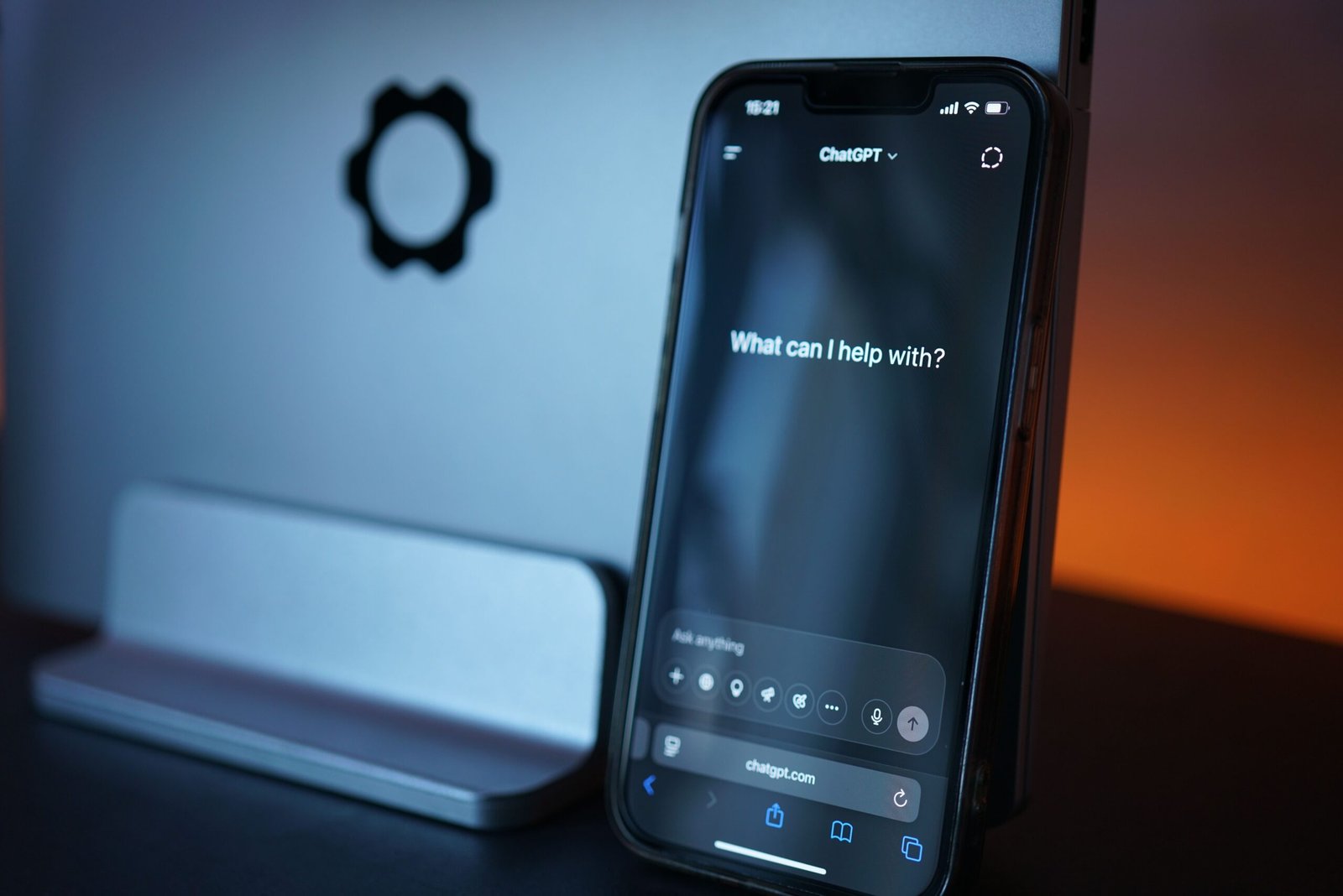
Since ChatGPT has been too hard to ignore, it’s the question every UK university student has either raised or thought about. It can be used at no cost; it is quick, can generate an essay on practically any topic, and it is located on the same laptop screen as the blank page where you are supposed to write your assignment. It could be easy to do. The question of its acceptability, academically, ethically, and practically, is not nearly so straightforward when it comes to using it.
This will depend on your university, your actual module, the type of assignment, and most importantly, how you use it. A grey area in 2023 has become much clearer in 2026 as UK universities have created and published formal AI policies that determine what is permitted and not permitted for students when using tools such as ChatGPT to enhance their academic work. For every UK student seeking to leverage AI tools without compromising their academic success, knowing where those lines are being drawn is crucial.
What UK Universities Are Currently Saying About ChatGPT
The first thing to know is that there isn’t a single across-the-board policy at UK universities regarding ChatGPT. There have been a variety of ways developed at each institution and each of these varies from one university to the next and even within each department of a university sometimes.
The single most important thing UK students can do is read through their own institution’s AI policy and how that relates to their specific module handbook before using ChatGPT in any way that relates to assessed work.
How UK Universities Are Detecting AI-Generated Content
It is common for students to think that using a plagiarism checking tool like Turnitin to check their submission means that they have nothing to fear. This is an assumption that is out of date and needs to be updated. Turnitin introduced an AI writing detection capability in 2023 and has been working on this since then, giving percentages that show how likely it is that a student submitted work is an AI-generated product. The detection scores are now available in addition to the traditional plagiarism reports in UK universities that subscribe to Turnitin.
In addition to automated detection, skilled academics are extremely effective at spotting AI-written text through their reading. ChatGPT generates text that has a specific style, a certain level of fluency, confidence and structure that discusses a topic in a general way, but lacks the specific analytical level of engagement, the personal critical voice, and the subject specific depth that comes from a genuine university student’s composition.
Where ChatGPT Genuinely Helps UK Students — Without Breaking Any Rules
There is a lot of talk in UK universities about the dangers of ChatGPT (which makes sense, but is not really constructive). While there are certainly times when ChatGPT usage is not ethically appropriate or in compliance with academic integrity policies, there are also ways that it can be used legitimately, academically, and usefully within the course of students’ study and assignment preparation.
Proofreading and Grammar Checking – Using ChatGPT to check your completed, self-written work for grammatical errors, awkward phrasing, or unclear sentences is a use that most UK universities would consider acceptable. If things go worse, you can always look into assignment proofreading services for better results.
Brainstorming and Idea Generation – Using ChatGPT to generate initial ideas, alternative angles on a question, or a list of potential arguments you might want to explore is a legitimate use of the tool. It functions in this context the same way a conversation with a knowledgeable friend might — helping you think through a topic before you start writing rather than producing the written work itself.
Understanding Difficult Concepts – Asking ChatGPT to explain a complex theory, framework, or academic concept in simpler terms can be a genuinely useful study aid — particularly when lecture notes or textbooks are not making something click. Using an explanation to build your understanding and then engaging with the academic literature yourself is perfectly acceptable.
The Specific Risks UK Students Often Do Not Consider
Beyond the obvious risk of submitting AI-generated work, there are several less obvious risks that UK students regularly underestimate when using ChatGPT for assignments.
Factual inaccuracy – ChatGPT hallucinations are well documented. The tool regularly presents inaccurate information with complete confidence — citing papers that do not exist, attributing quotes to people who never said them, and producing statistics that have no basis in reality.
Outdated information – ChatGPT’s knowledge has a training cutoff date. For assignments in rapidly evolving fields — law, medicine, business, technology, current affairs — relying on ChatGPT for factual content means relying on information that may be significantly out of date by the time you submit.
What Actually Works Better Than Using ChatGPT for Your Assignment
Many students in the UK are using ChatGPT to write their assignments not because they’re cheating, but because they’re struggling, overwhelmed, or not being supported well enough to be able to produce what is required of them. It’s a genuine and valid issue. Yet ChatGPT is a truly subpar solution to them — for all of the above reasons and because, as stated, it does nothing to actually foster the academic skills that the degree is supposed to impart.
The Bottom Line for UK Students
The tremendous challenges faced by UK students to keep up with an ever-heavier exam load won’t be ending anytime soon, and neither will ChatGPT. The answer is not a tool that introduces more risk than it removes from the situation. It’s right assistance from individuals who are knowledgeable about what your assignment really requires.
Take advantage of what ChatGPT is best at: brainstorming, explaining concepts, correcting grammar, and organizing ideas. Use it only in relation to the content of the pieces you have been assessed on, unless your University’s policy states otherwise. When assignments are truly insurmountable, try searching for the phrase, ‘do my assignment for me’ as professionals from a trusted platform can produce original human written academic work.